뮤지컬 The Musical Part 1: Cross Cultural & Multilingual Creation (Korea/Canada)
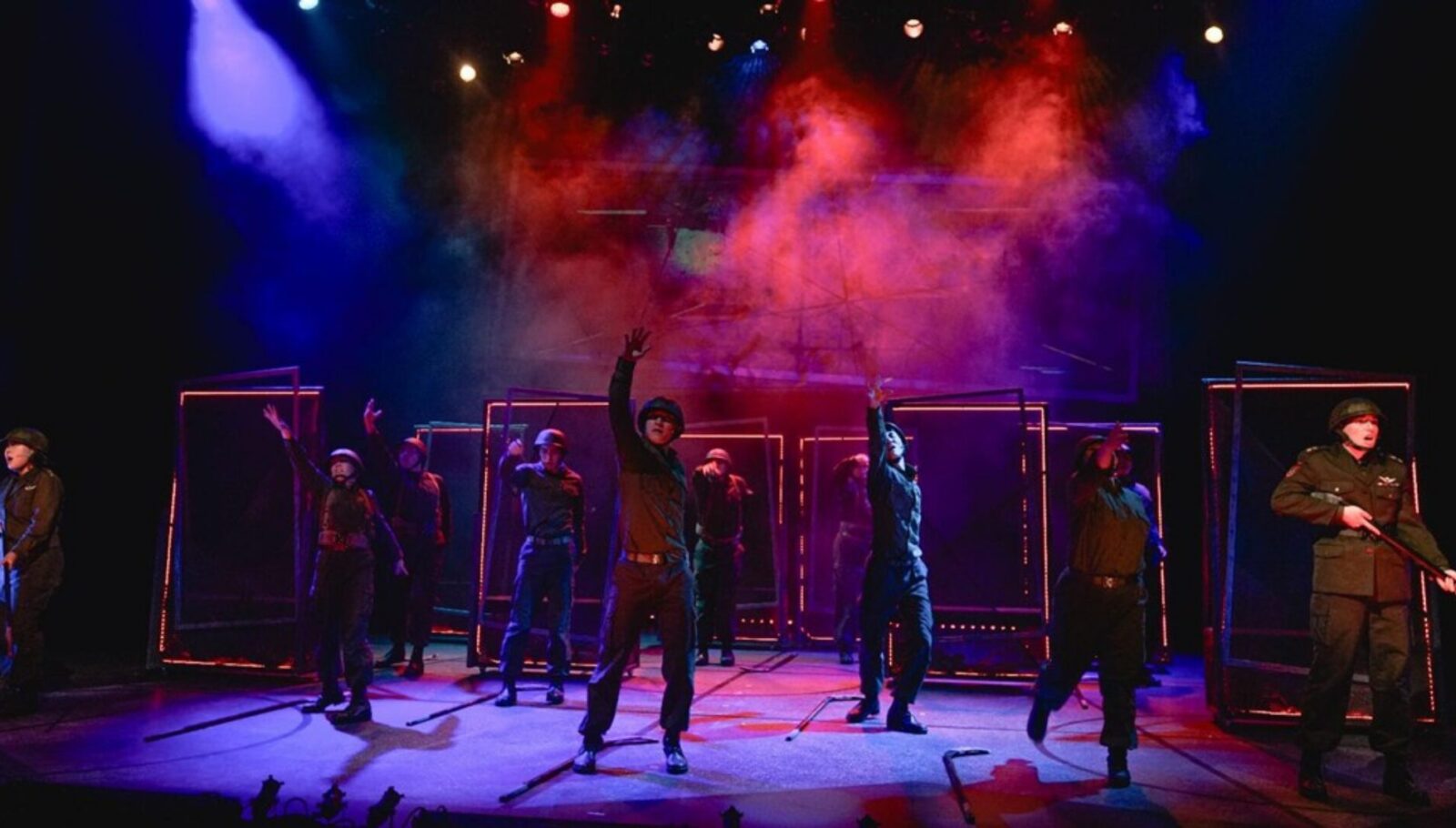
In 2025, I had the pleasure of working on the international emerging artist collaboration뮤지컬 <R;LINK> The Musical between Hanyang University, Korea, Capilano University, First Nations University of Canada and The University of Saskatchewan, Canada, as part of the “2024-2025 Korea-Canada Year of Mutual Cultural Exchange”.
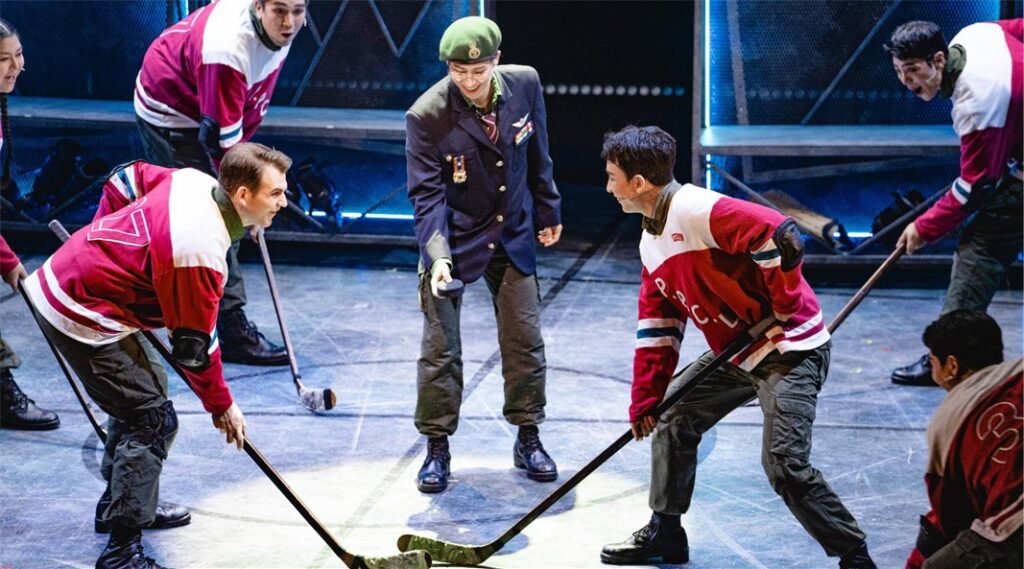
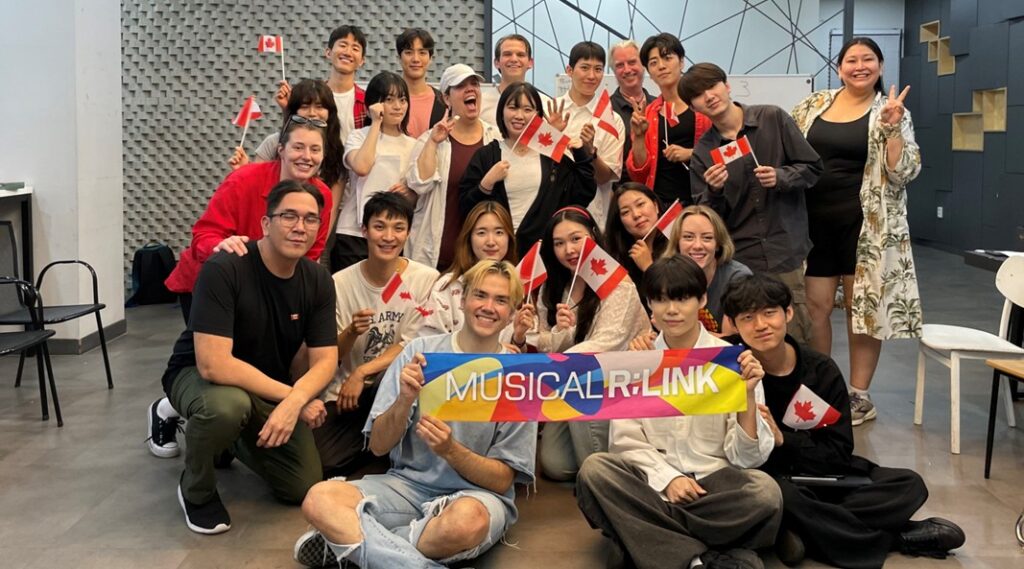
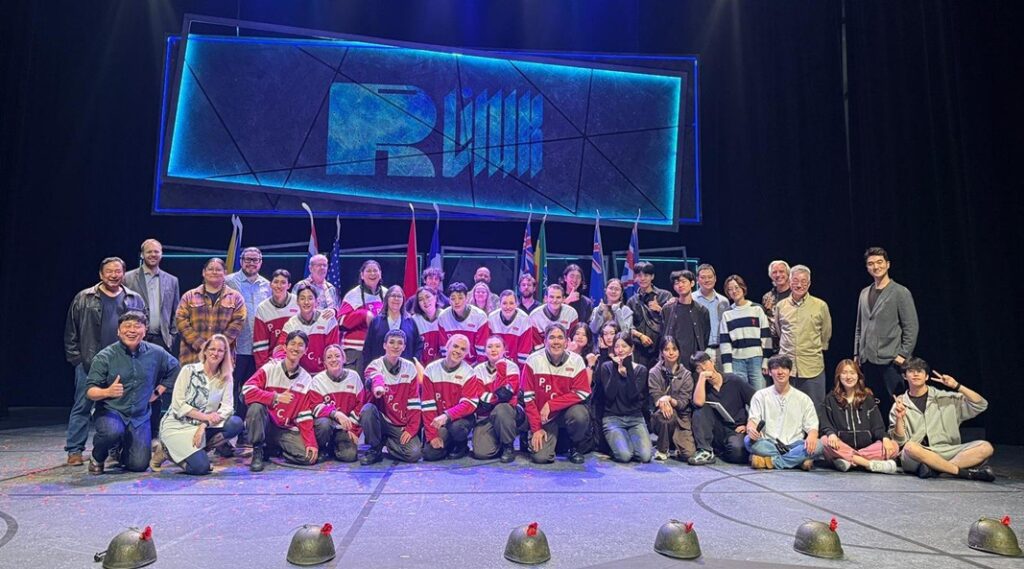
뮤지컬 <R;LINK> The Musical was written and directed by김가람 Kim Ga-ram, co-written with Tyrone Perreault (Cowessess First Nation), and Composed by김준호 Kim Jun-ho. It premiered in Korea at the CKL Stage in Seoul on July 26-27, 2025, and in Canada at The BlueShore at CapU in North Vancouver on August 15-16, 2025. Inspired by the true-life hockey games played by Canadian soldiers on the frozen Imjin River and the events of The Battle of Kapyong [1] during the Korean War, over a period of three months, recent graduates and emerging artists of both countries embarked on a truly transformative journey.
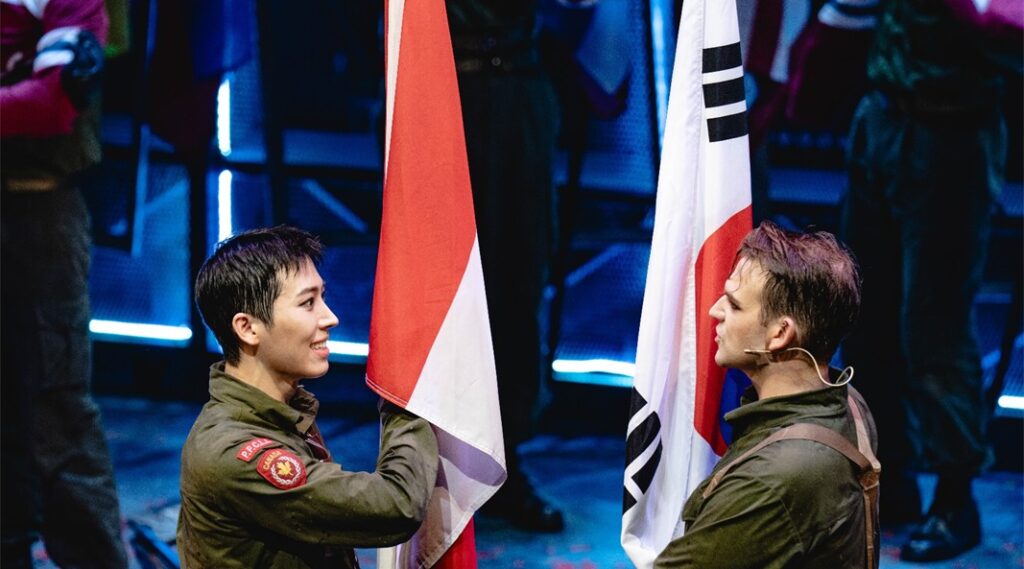
Outside of rehearsal, they explored historic and cultural sites from Gyeongbokgung Palace in Korea [2] to the UBC Museum of Anthropology in Canada [3], from the vibrant streets and shopping malls of Seoul to the forests and beaches of Vancouver. They broke bread over Korean barbeque, Bannock bread [4], and Granville Island’s iconic Lee’s Donuts. Much like the characters they portrayed, they forged deep connections through laughter, tears, and shared dreams, bridging geographical, linguistic, and cultural divides to come together in collaborative artistic creation.
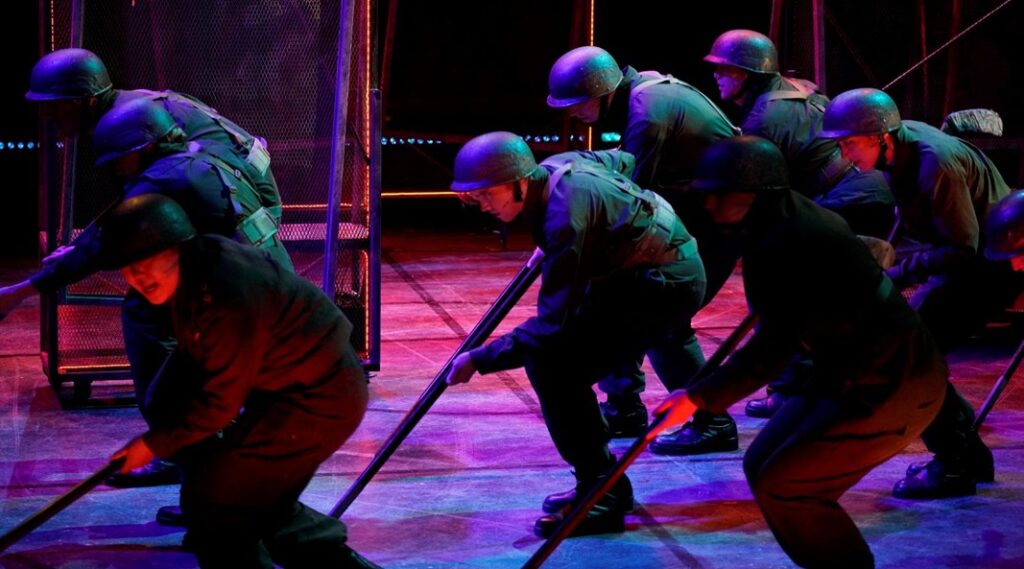
As the ‘Global Connector’ and first point of contact on the project, I facilitated introductions between the Canadian and Korean partners. My role on the project then involved supporting the multi-institutional organization, facilitating the cross-cultural creative processes, collaborating on the English language translation and multi-lingual surtitle development, and even playing the very small role of a CBC radio hockey announcer.
Creating opportunities for emerging artists to connect and collaborate with the emerging artists of different cultures allows them to discover new storytelling techniques, fresh perspectives, and innovative ideas. By sharing our different approaches, ideas, cultures and practices in collaboration, we encourage our next generations to challenge their creative boundaries and explore new and different perspectives.
It is difficult to express how honoured I am to have played a part in connecting and supporting these young artists from across South Korea and Canada, or how proud I am of each one of them, in the creation and production of뮤지컬 <R;LINK> The Musical.
Creating Cross Cultural and Multilingual Theatre
Just as the Korean actors and characters of the play represented different regions and experiences of Korea such as Seoul or Andong, reflected in the performers’’ physical movement, character interactions, speech and cultural expressions, so it was as well with the Canadian team.
Canada is a very large country of many diverse and rich cultural heritages. For the Canadian artists,뮤지컬 <R;LINK> The Musical also a journey to connecting with each other. Their characters reflected the diverse regional, linguistic and cultural heritages of the participating artists in the use of English, French Canadian [5] and nehiyawak (Cree) [6] languages and character experiences ranging from First Nations communities and the settler farms of Canada’s prairies to the larger townships and cities of Ontario and Quebec.
This coming together of multiple cultures is perhaps best highlighted in a profoundly moving moment for many of us in both the process and the production. Devised through a collaborative musical creation exchange, the artists and creative teams of both countries wove together the traditional Korean song “Arirang” [7] and a nehiyawak (Cree) song shared with us by nehiyaw Knowledge Keeper and Cultural Consultant Joseph Naytowhow “Mother Earth Song (okâwîmâw askiy)” [8].
Creative Translation – Finding the Words
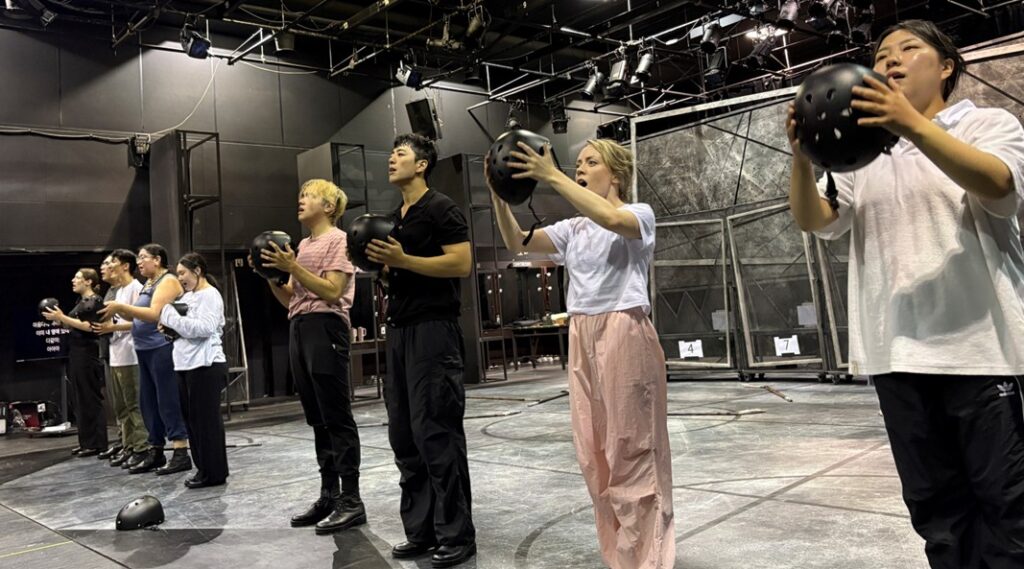
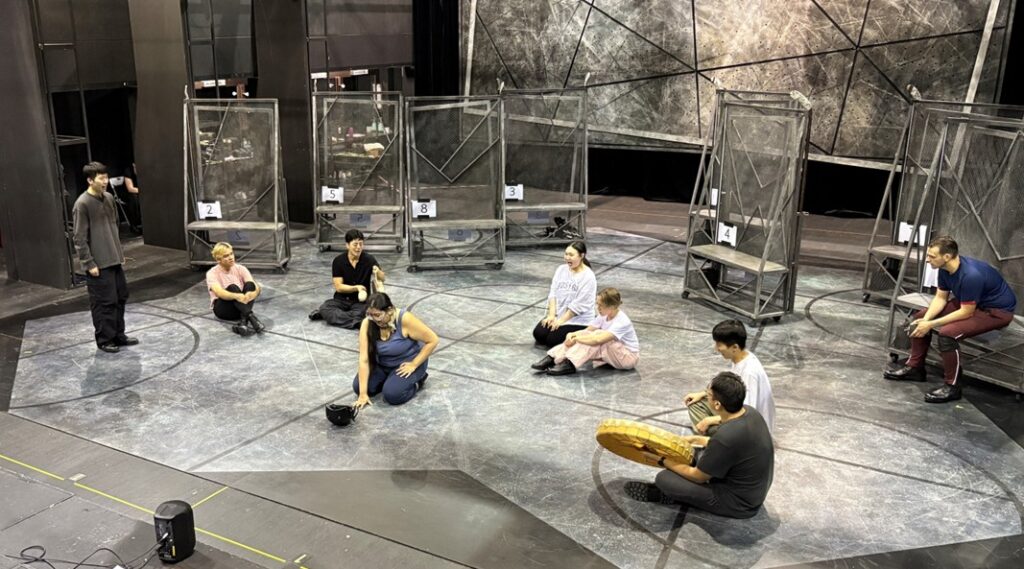
Like every aspect of our show, the translation over the creation process and production was the result of a team of Korean and Canadian artists working together collaboratively to bridge linguistic and cultural understandings. This would include input from many people well beyond those of us officially credited.
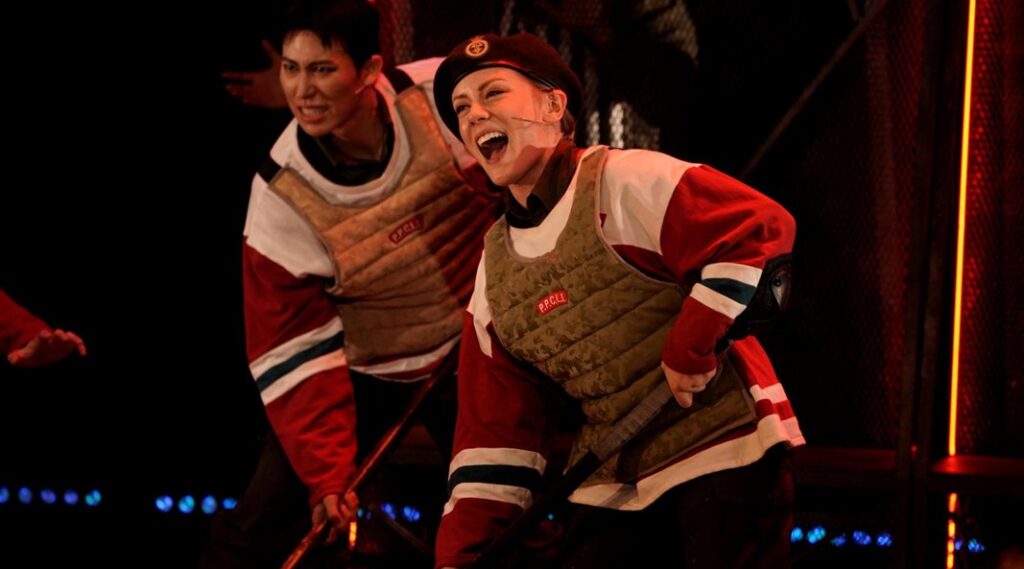
Contemporary Translation for Theatre is a collaborative effort. Under the usual circumstances of a finalised text, a playwright and translator will work together to bring the finished script to the new culture and language.
In a multi-lingual/ cross-cultural new musical creation process like ours, the process would be more organic, and – if possible – more rewarding.
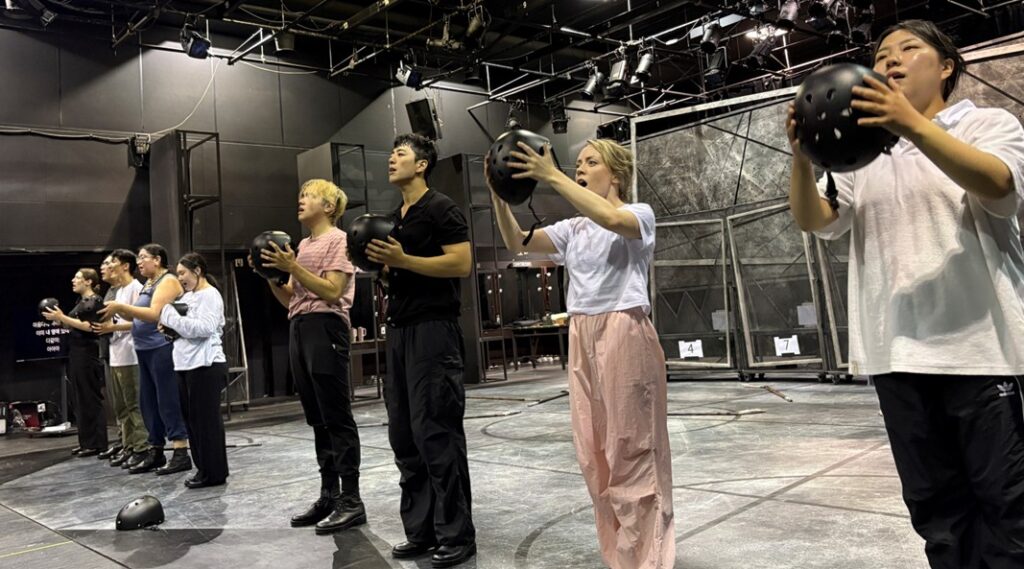
The playwrights would write new text, which various members of the creative team would then translate into Korean and/or English overnight. This material would then be explored, elaborated or refined by director김가람 Kim Ga-ram and the performers the next day, leading to an ongoing, evolving, and holistic process. New discoveries in the rehearsal hall such as adding a new language to a song or developing a new multilingual path for a dialogue or scene would lead to the next round of creation and translation.
The collaborative process also allowed for “happy accidents,” such as the discovery of adding English to a Korean song to reflect the fractured experience of the battlefield. We also experimented with Generative AI tools to overcome language barriers, an adventure that produced varying and sometimes vastly different translations from different sources.
From this collaborative journey, profound discussions arose naturally, delving into the rich tapestry of each nation’s cultures and histories. These conversations extended to deciphering the profound symbolic meanings embodied in Korean traditional song “Arirang” or the significance of poppies to Canadian service people [9], to learning how to play the South Korean stick game Jachigi [10] and dissecting the legendary 1951 National Hockey League (NHL) playoff series [11].
These collaborative conversations informed as we explored how best to express unique cultural elements like Traditional Sacred Medicines [12], or cultural metaphors like the first verse of “Arirang” for new audiences unfamiliar with the originating cultures. For “Arirang”, the more common translation translation of “As you cross over Arirang Pass” was expressed as “As you cross the mountain path” to introduce Canadian audiences to both Korean topography and the topography of The Battle of Kapyong,
As each step closer to another person is a step closer to understanding ourselves, these ongoing collaborative dialogues informed both the poetic translations of the Korean and English texts and the multilingual creative staging of the play.
Footnotes:
[1] The Battle of Kapyong was a decisive battle fought during the Korean War (1950-1953).
[2] A majestic symbol of Korea’s rich history and culture, Gyeongbokgung Palace is a former royal palace and the first royal palace of the Joseon dynasty (1395).
[3] Features magnificent carvings, weavings, and contemporary artworks, The Museum of Anthropology at the University of British Columbia (UBC) showcases works by First Nations artists of the Pacific Northwest.
[4] Bannock, a traditional bread with a rich and diverse history, has long been an essential part of both Indigenous and settler cultures in Canada.
[5] French Canadian culture traces its origins to the French colonization of North America, evolving through centuries to form a distinct cultural identity within Canada.
[6] nehiyawak (ᓀᐦᐃᔭᐊᐧᐠ) or Cree, one of North America’s largest Indigenous groups, spans a vast historical territory across Canada. The rich and diverse nehiyawak cultures consist of distinct practices and a profound connection to the land and community.
[7] “Arirang” is a 600-year-old Korean folk song with roughly 60 regional versions. It’s on the UNESCO Intangible Cultural Heritage list twice, submitted by South Korea (2012) and North Korea (2014).
[8] Mother Earth Song (‘okâwîmâw askiy’) lyrics and composition by Joseph Naytowhow (originally from pakitahwâkan-sâkahikan – Sturgeon Lake – First Nation, now residing in Saskatoon, Saskatchewan, Canada).
[9] The poppy is a powerful symbol of remembrance in Canadian military history, particularly associated with Remembrance Day on November 11th.
[10] Jachigi is a traditional South Korean team sport played with sticks.
[11] The 1951 Stanley Cup Final, considered some of Canada’s best hockey, saw the Toronto Maple Leafs defeat the Montreal Canadiens, with all five games going into overtime.
[12] nehiyawak or Cree traditional medicine includes the four sacred medicines—tobacco, cedar, sage, and sweetgrass—which are used for purification, spiritual communication, and healing.
–
뮤지컬 <R;LINK> The Musical is an international emerging artist co-creation hosted by Ministry of Culture, Sports and Tourism, organized by the Korea Foundation for International Cultural Exchange and produced by Hanyang University (Theatre Major, Dept. of Theatre & Film) in association with Capilano University, First Nations University of Canada, and The University of Saskatchewan. The production was Written and Directed by김가람 Kim Ga-ram, Co-written with Tyrone Perreault (Cowessess First Nation), and Composed by김준호 Kim Jun-ho, celebrating the “2024-2025 Korea-Canada Year of Mutual Cultural Exchange”.
뮤지컬 <R;LINK> The Musical premiered in Korea at the CKL Stage in Seoul on July 26-27, 2025, and in Canada at The BlueShore at CapU in North Vancouver on August 15-16, 2025.
We gratefully acknowledge Composer, Lyricist, nehiyaw Knowledge Keeper, & Cultural Advisor Joseph Naytowhow (Saskatoon, Saskatchewan, Canada) for sharing his song “Mother Earth Song (okâwîmâw askiy)” for use in our production.
This article is adapted from an essay by Jack Paterson originally published in “뮤지컬 <R;LINK> The Musical” (Dongin Publishing Co.) supported by Ministry of Culture, Sports and Tourism of the Republic of Korea.
Images: 뮤지컬 R;LINK The Musical Photo KOF ICE & Hanyang University

His productions have garnered over 30 professional theatre award nominations, with numerous wins for “Outstanding Direction” and “Outstanding Production,” and he is a recipient of the “Ray Michal” and “John Moffat & Larry Lillo” Outstanding Body of Work Awards. His training includes Circle in the Square (USA), Russian Institute of Theatre Arts (Moscow, RU), Indonesian Institute of the Arts (ID), and an MFA in Direction from East15 Acting School & University of Essex (UK), and residencies and professional development with such organisations as Robert Lepage & Ex Machina (Multidisciplinary/ Technology Creation, QC), flausen+ bundesnetzwerk (Transdisciplinary Creation, DE), Theater HORA (Disability Arts, CH), Theatre503 (New Writing, UK), & Playwrights’ Workshop Montreal (New Translation, QC).
Jack is the Lead Creative Producer for Theatre Curation and New Works Development for Summerland’s Ryga Arts Festival (Interior BC), and the co founder of Vancouver’s Bouche Theatre Collective (connecting across distance), New Translation Canada (bridging linguistic divides), and Theatre Nomad Collective (international collaborations).
Editor's Note: At StageLync, an international platform for the performing arts, we celebrate the diversity of our writers' backgrounds. We recognize and support their choice to use either American or British English in their articles, respecting their individual preferences and origins. This policy allows us to embrace a wide range of linguistic expressions, enriching our content and reflecting the global nature of our community.
🎧 Join us on the StageLync Podcast for inspiring stories from the world of performing arts! Tune in to hear from the creative minds who bring magic to life, both onstage and behind the scenes. 🎙️ 👉 Listen now!
