For Years I Felt Like an Outsider. Now It’s My Superpower.
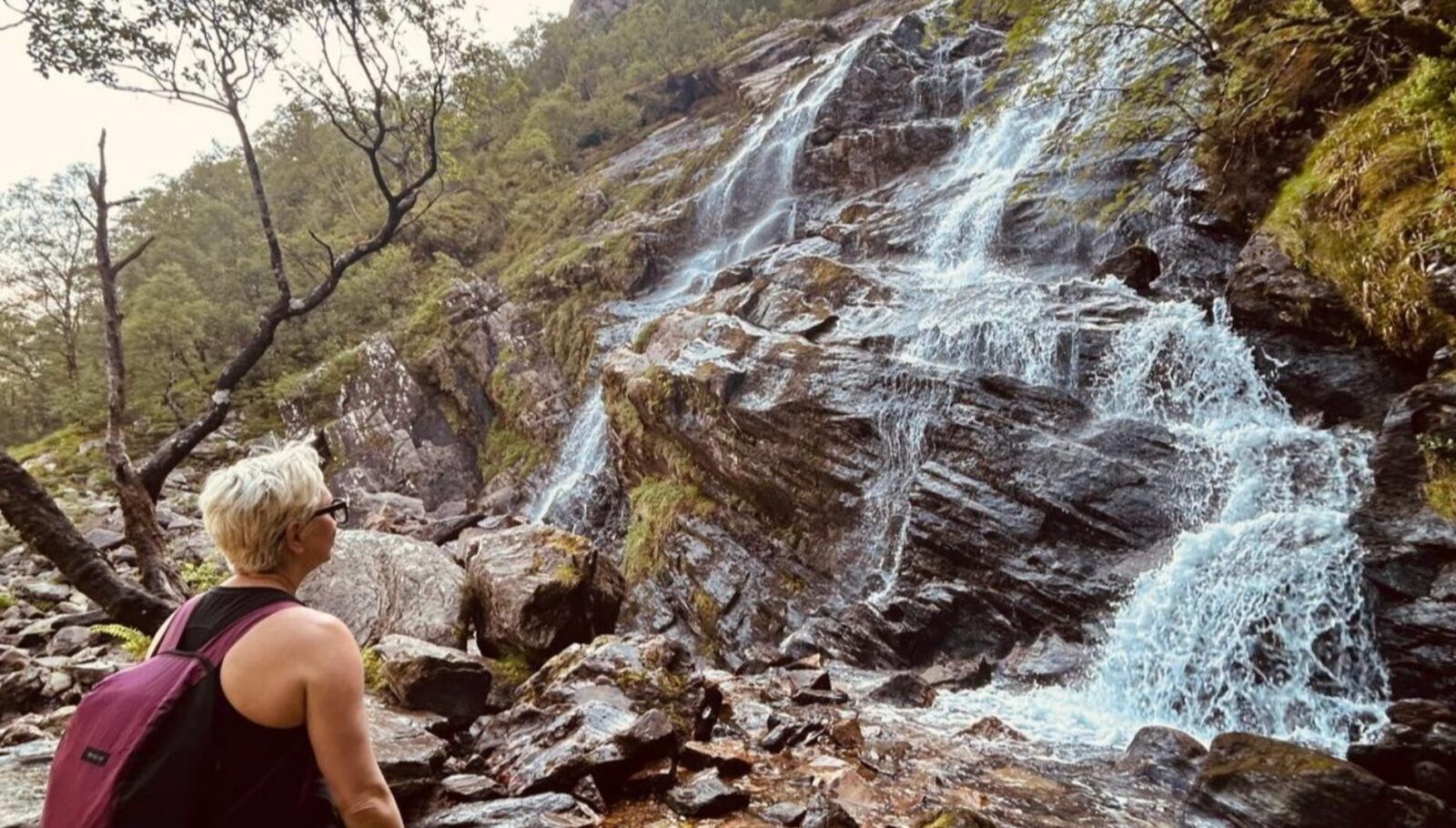
For as long as I can remember, I’ve carried a quiet sense of being an outsider.
At first, this feeling was painful. It made me question my place, my voice, and whether I truly belonged in the creative spaces I inhabited. But over time, something shifted. What once felt like a limitation slowly revealed itself as a strength — a lens that allowed me to see differently and to create more deeply.
I grew up on the west coast of Canada, surrounded by nature rather than noise. My childhood wasn’t filled with exotic travel or a rich cultural tapestry. Instead, it was forests, ocean, and a deep sensitivity to the textures of the world around me. I wasn’t “cultured” in the traditional sense — but I was perceptive. I learned through osmosis. I absorbed stories, rhythms, atmospheres, and emotions without even knowing I was preparing for a creative life.
My path began in dance. Touring the world as a professional dancer, I often felt like a visitor everywhere I went — stepping into languages I didn’t speak, customs I didn’t understand, and creative environments shaped by histories not my own. And yet, it was precisely in those spaces of unfamiliarity that I felt most alive.
Later, as I moved into assisting stage directors and choreographers, the outsider feeling remained. I wasn’t “the director,” or “the choreographer,” or the one with the final voice — but I was observing, listening, learning. Standing slightly outside the center, watching how ideas formed and how stories came to life. And slowly, I realized that this vantage point was a gift. Outsiders notice things insiders overlook.
Today, as an international stage and experience designer, I still carry that same quiet outsider energy — but it has transformed. It is no longer a source of discomfort; it is a source of clarity.
It helps me approach every project with curiosity instead of assumption. It allows me to honour cultures without imposing my own narrative. It encourages humility in spaces where ego often dominates. And it keeps me open to the subtle details that make an experience resonate.
Working across more than 55 countries, collaborating with artists and teams from vastly different backgrounds, I’ve learned that outsider perspectives often become bridges. They connect worlds rather than divide them. They invite empathy rather than certainty. And they create space for stories that feel both unique and universally human.
I sometimes think my creative life has been shaped less by what I knew, and more by what I didn’t. Less by familiarity, and more by curiosity. Less by belonging, and more by the willingness to stand at the edges and look in.
If you’ve ever felt like an outsider in your creative journey — in your industry, your culture, your team — know this:
Sometimes the edges are where the most interesting ideas form. Sometimes the outsider is the one who sees most clearly. And sometimes, the very thing that once made you feel different is the thing that ultimately gives you your voice.

Having worked across more than 55 countries, Susan has partnered with diverse cultures and global brands, demonstrating an intuitive understanding of audiences and a keen ability to translate artistic vision into compelling, scalable experiences. Her work is distinguished by a foundation of creativity, cultural sensitivity, and the seamless fusion of storytelling with spectacle.
Recent highlights include directing the 2025 Canada Day celebrations in Ottawa, designing for a permanent Universal Studio’s Jurassic World experience in Bangkok, and leading the creation of SPIRIT by Cirque du Soleil for The Macallan, a sensory branded experience that premiered in 2024. Additionally, Susan served as Show Director for the Opening Ceremony of the 2022 Games in Kuwait.
Through her consulting practice as an experience designer consultant, Susan focuses on shaping creative strategy, elevating brand narratives, and guiding multidisciplinary teams to deliver innovative, high-impact productions. Collaboration with stakeholders ensures that every experience is visually striking while deeply aligned with purpose, culture, and audience engagement.
Often described as “fiercely creative,” Susan is driven by a passion for designing moments that resonate and endure long after the experience ends. She continues to support companies and brands seeking bold, human-centered creative leadership and unforgettable experiences.
Back to Home
Editor's Note: At StageLync, an international platform for the performing arts, we celebrate the diversity of our writers' backgrounds. We recognize and support their choice to use either American or British English in their articles, respecting their individual preferences and origins. This policy allows us to embrace a wide range of linguistic expressions, enriching our content and reflecting the global nature of our community.
🎧 Join us on the StageLync Podcast for inspiring stories from the world of performing arts! Tune in to hear from the creative minds who bring magic to life, both onstage and behind the scenes. 🎙️ 👉 Listen now!
