Roger Melvin: Live TV Stage Management
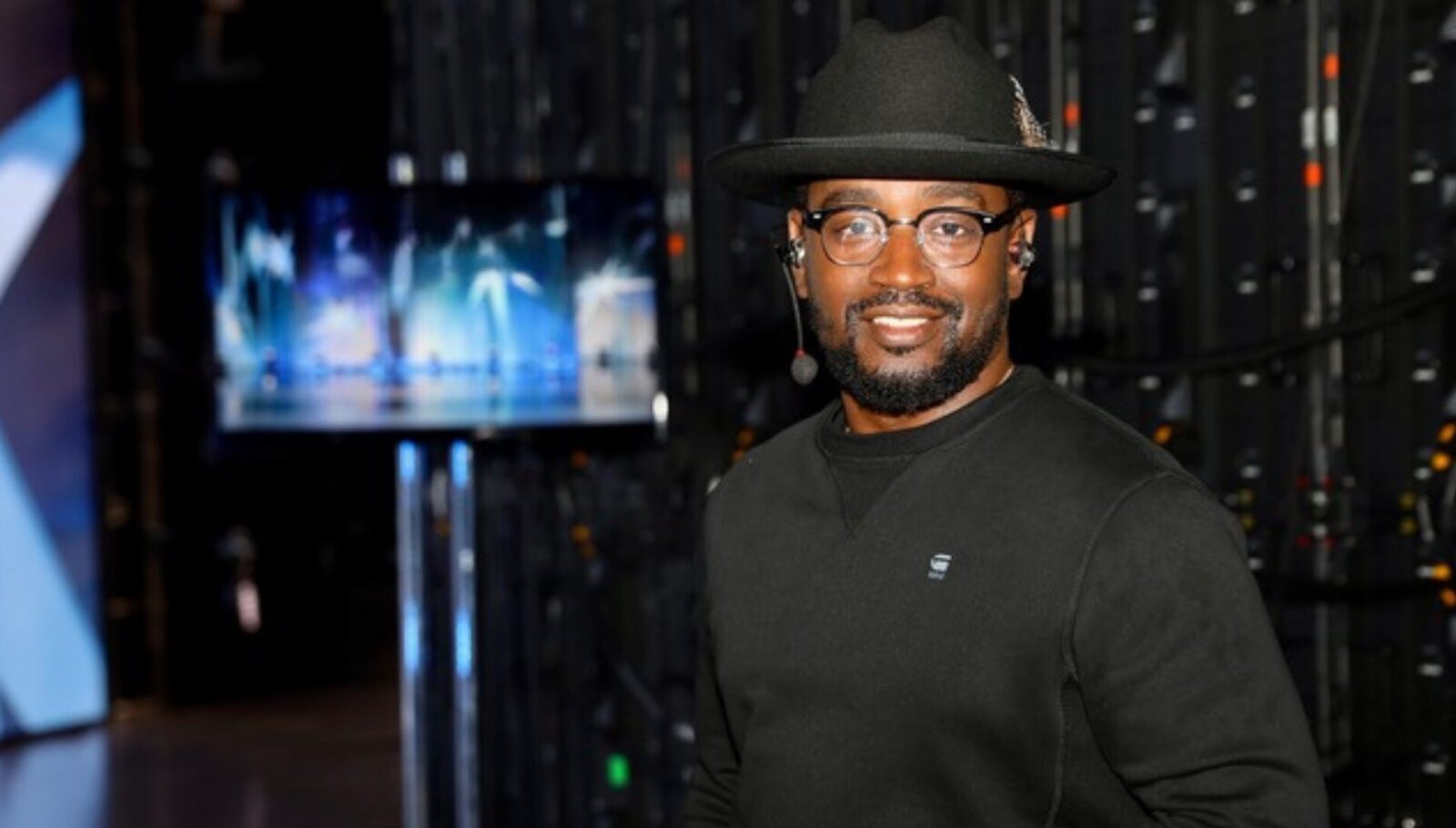
What does a “stage manager” do when the show is television, the director is in a booth, the cameras are choreographed like dancers, and a full scenic build can happen inside a single commercial break? In this episode preview, Roger Melvin—USA-based director and television stage manager—breaks down the reality of running live, high-stakes broadcasts like Dancing with the Stars and American Idol: the precision, the trust, the safety, the tempo, and the human leadership that keeps it all moving.
Roger also shares a career philosophy that will feel familiar to any freelancer: keep multiple “plates” spinning, protect your reputation, and remember that how you make people feel can become your strongest calling card.
This is only a preview and the full episode goes deeper into Roger’s workflow, career turning points, and the people-first mindset behind high-pressure live broadcasts. Listen to the complete conversation when it drops next week
What does a television stage manager actually do?
Roger Melvin describes himself as the director’s “eyes, ears, arms, and feet” on the studio floor. While the director calls the show from the booth, the stage management team makes the plan real in the room: placing talent exactly where they need to be for specific camera takes, ensuring scenic pieces and props land on time, and confirming that effects appear exactly when the script expects them. If Camera 3 is supposed to reveal a particular person or moment, it’s stage management’s job to make sure that shot exists when the director takes it. It’s a constant blend of logistics, timing, communication, and problem-solving—often with the energy of “herding cats,” somewhere between guiding small children and managing a moving machine.
How do you stay ahead of the chaos in a live show with a million variables?
Roger Melvin says the secret is trust—trust in specialists and the expertise across departments. On Dancing with the Stars, the show is tightly “scripted” in a surprising way: not just the run-of-show, but camera shots and even camera movement. Operators “dance” too, hitting scripted frames and physically moving out of one another’s way to keep the visual language clean. To stay in front of a show that moves like a locomotive, you lean hard on the best people in the room—art, effects, audio, lighting, wardrobe, and the stage management team—so each department executes with confidence while staying connected to the bigger picture.
What’s the real rehearsal process before a live episode goes to air?
By the time viewers see it, Roger says they’ve done it about eight times. The week includes multiple passes and a cue-to-cue-style run that builds familiarity and reveals what’s working. Early in the season, this process matters even more because celebrity performers are still learning the environment and pace. On show day, they do additional runs—now with the band—then save the full, all-elements version for dress rehearsal. Roger’s rule of thumb is blunt and safety-driven: if it didn’t work in dress, it shouldn’t be in the live show. With complex changes, effects, and physical risk, the goal is zero surprises when the audience is in the building and millions are watching.
How did you build a sustainable career while aiming for creative directing goals?
Roger Melvin shares a grounded approach: he knew directing opportunities wouldn’t come “out of the box,” so he took crew roles that kept him close to the work and allowed him to develop while paying bills. He references an idea he heard from Ira Glass about the gap between your taste and your early output—and how the only way to close it is to stay in the game long enough for your skills to rise to your taste level. Practically, he treated his career like a “spinning plates” act: keep multiple streams going so if one drops, you still make rent. That mindset—and a willingness to take lower-paid opportunities if they brought new relationships—helped him move from music videos and commercials into live work, red carpets, and eventually major shows. He can trace key breakthroughs, including Dancing with the Stars, back through person-to-person handoffs in his network.
How do you balance the creative brain and the stage manager brain—and what matters most in leadership?
Roger Melvin admits it’s a real challenge: the “clock” in a stage manager’s mind can shut down creative space if you let it. When he’s directing, he tries to be honest about that impulse and asks collaborators to help keep him from defaulting to schedule-first thinking when creativity needs room. He also talks about protecting inspiration—saving sparks for later—because you can’t simply flip a switch from logistics to artistry on command.
Then he lands on a defining point: there may be people who stage manage better than him, but there aren’t many who create a better experience. He puts enormous value on environment, morale, and how people feel at work—because that energy makes it into the final product, even if the audience can’t name it. On Dancing, he builds community rituals (“club backstage”), celebrates the crew, and tries to create a culture people want to return to. For him, how you do the work matters as much as what you produce—especially when the job takes you away from family.
Main Image: Courtesy of Roger Melvin

Editor's Note: At StageLync, an international platform for the performing arts, we celebrate the diversity of our writers' backgrounds. We recognize and support their choice to use either American or British English in their articles, respecting their individual preferences and origins. This policy allows us to embrace a wide range of linguistic expressions, enriching our content and reflecting the global nature of our community.
🎧 Join us on the StageLync Podcast for inspiring stories from the world of performing arts! Tune in to hear from the creative minds who bring magic to life, both onstage and behind the scenes. 🎙️ 👉 Listen now!
