How to Stop Reacting and Start Creating: A One-Letter Shift That Changes Everything
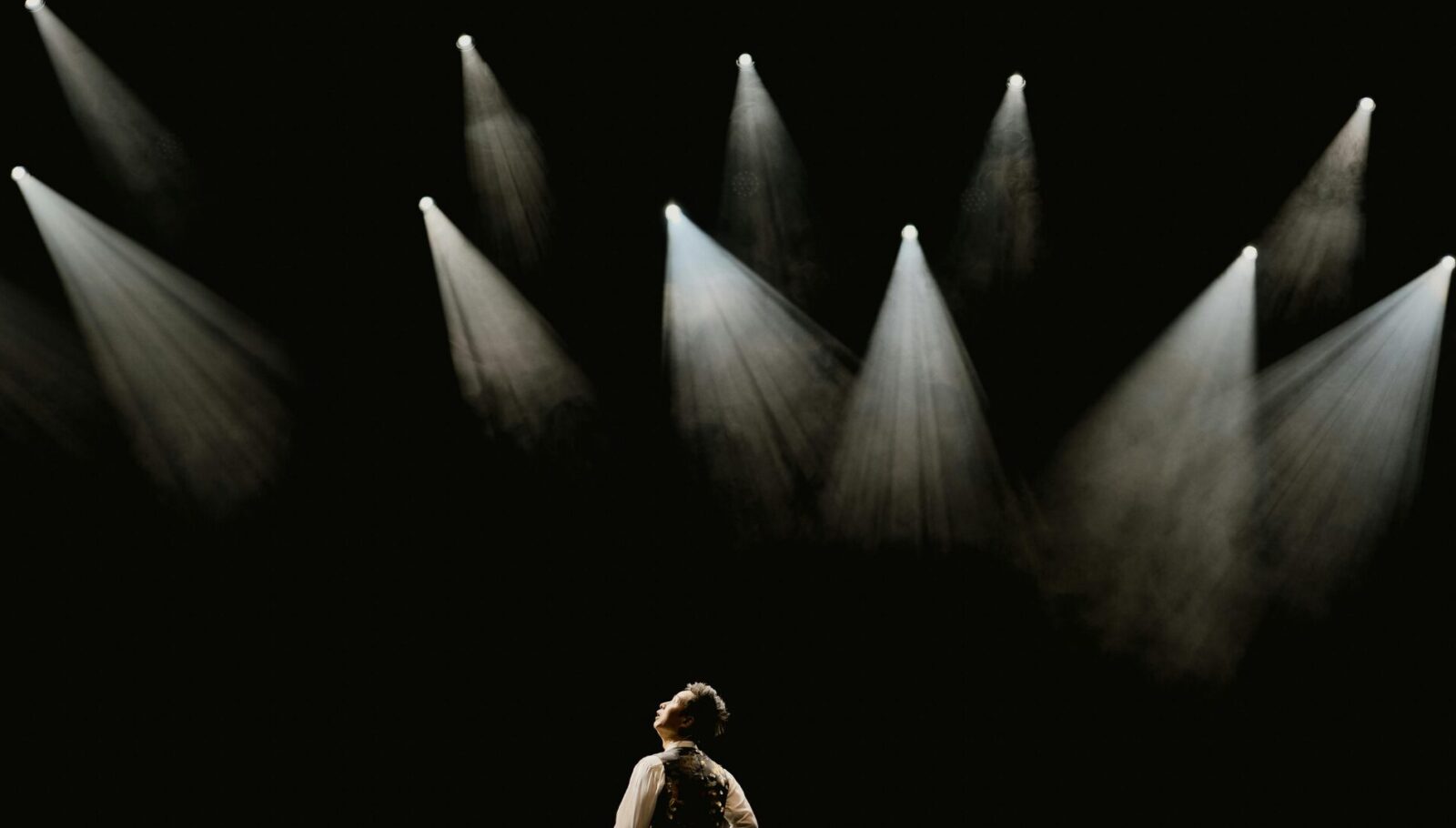
I believe that we are all inherently creative.
I believe that we are all inherently creative. While some of us identify as creative professionals, you don’t need a career in the performing arts to express this gift. As humans, what sets us apart from all other animals is the power of our imagination. We are capable of creating something out of nothing. We can picture a future that doesn’t even exist yet.
And while this might be our greatest superpower, it’s also the very thing that can hold us back from engaging in the world at our fullest capacity. If we have the ability to imagine the best possible outcome, why is it so much easier to imagine the worst?
Well, remember when I said that each and every one of us are creative? Well, I also know we share a tremendous propensity to be reactive. And the irony is that like the word itself, we are both. When we rearrange the letters of the word reactivity by placing the C at the front, we arrive at creativity.
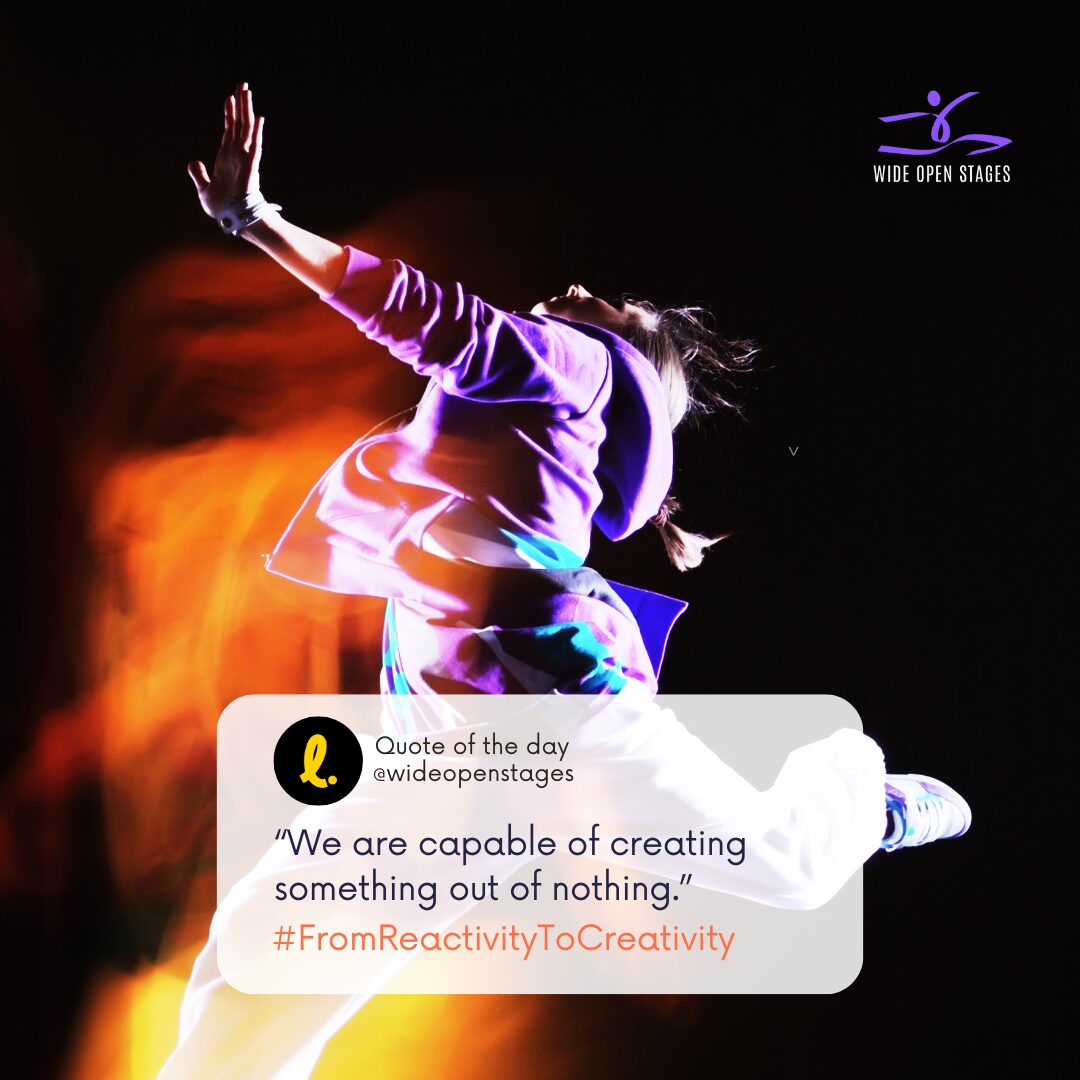
Reactivity vs. Creativity
When we recognize that both are available to us, we realize that we have a choice. And even when we find ourselves in reactive mode, we get to remember this and shift our energy from reactive thinking to creative living.
We all experience moments when we react before we respond. Something happens and our energy spikes or drops without us realizing it. Those moments matter because they’re where our power leaks out.
A Story from the Workplace
I have a client who was unhappy about how she’d been showing up at work. She felt short-tempered and irritable, constantly reacting to the pressures and demands of her colleagues, people who were, in her mind, keeping her from doing the job she was hired to do.
She described it as a game of whack-a-mole, endlessly navigating interruptions, swatting at emails, questions, and meetings. She loved her work, but somewhere along the way, she started operating on autopilot, oscillating between I can’t and I have to.
That constant state of reaction was depleting her energy, eroding her sense of agency and leaving her disconnected from the values that it once fueled her.
Where Power Is Lost
Well, reactive behavior not only drains your energy, it hands your power over to the person, place, or thing that you’re reacting to. When we are in reactive mode, we are unplugged from our value system. This disconnection fuels the negative thoughts and feelings that come with the sense that we’ve lost control.
In the Seven Habits of Highly Effective People, Stephen Covey writes, if our lives are a function of conditioning and conditions, it is because we have, by conscious decision or by default, chosen to empower those things to control us.
Food for thought.
A Final Question
So I ask you, my friends, what might be different if you shift that C in reactivity and created more creativity in your life?
Who knows?

Editor's Note: At StageLync, an international platform for the performing arts, we celebrate the diversity of our writers' backgrounds. We recognize and support their choice to use either American or British English in their articles, respecting their individual preferences and origins. This policy allows us to embrace a wide range of linguistic expressions, enriching our content and reflecting the global nature of our community.
🎧 Join us on the StageLync Podcast for inspiring stories from the world of performing arts! Tune in to hear from the creative minds who bring magic to life, both onstage and behind the scenes. 🎙️ 👉 Listen now!
