Emergency Scenarios and Technical Errors
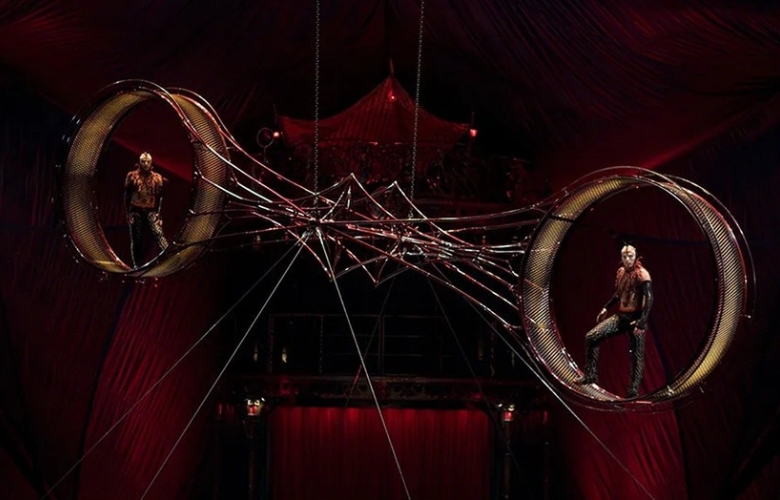
In this week’s edition, I’m continuing my discussion about show stops and emergency situations. Last week, I discussed how to assess risk so that we can mitigate events from happening, but when we do experience a show stop scenario, we have a foundational knowledge of what potential risks could happen and how to solve them.
Sometimes things don’t go according to plan and the show cannot go on due to an artist injury, a technical issue, or unforeseen circumstance that could be out of your control. Once we assess the risk, we can start to formulate the standard operating procedures that are expected in these events that could occur.
Stopping the Show
Although we’ve heard the saying “the show must go on,” there will be times when you must stop a show for a variety of reasons. The most common reason is for a technical malfunction and human error, but emergency situations can occur, perhaps with a performer onstage or with an audience member, and in rare cases, other factors that are completely out of our control such as weather. These are some steps you can take to ensure that stopping a show goes smoothly and safely.
Because safety is one of the most important aspects of being a Stage Manager in any context, knowing and understanding the production’s standard operating procedures is important for nurturing a safe environment.
There are steps we can take to ensure safety is always at the forefront of how we approach leading a production.
What are Standard Operating Procedures?
Standard Operating Procedures are predetermined plans that layout the response and actions for each department and sometimes individuals when a technical issue occurs, and for emergency scenarios. Creating standard practices creates a clear and concise document that removes the thinking and offers a solution without needing to solve it in a heightened mental state, especially when our adrenaline is pumping.
Tips for creating Standard Operating Procedures
- Once you assess the risks in your show and around the theatre, discuss in detail what emergencies might happen, what technical issues that have happened or could happen, and unexpected events that could occur.
- For every potential risk (in both non-emergency and emergency scenarios), discuss with each department that is involved what they will do when something happens. For example, is there a safety cue where the lights and sound do something specific to notify artists on stage?
- Make sure you and everyone else knows where emergency supplies are located and what is needed. Decide who will do what when responding to an emergency.
Some examples are:
- Who calls the ambulance?
- Who communicates with front of house?
- How does the show stop?
- Laying out these duties ahead of time and informing each crew member and cast member about their responsibilities in an emergency situation will make them much easier if, and when, they happen.
- Constant investigation about the established systems and thoughtful consideration about improvements to what is currently in place will only make our productions safer. After a show stop happens and once the show is over, ask for feedback from departments about how it went. Write down the feedback and keep a document about what went well and what to change for when it happens again. Everyone’s perspective matters and we can learn from anyone involved in an emergency, especially those not directly involved because they were able to watch.
- Practice emergency scenarios with your team in a low stakes and low pressure situation. Practicing emergency response can be boring and tiring, but when you get into a real emergency scenario, time is of the essence. The more knowledgeable you are about what needs to happen, the better off the injured person is and the safer everyone is.
Conclusion:
When we have a plan for how to respond to show stop situations, we can be more prepared and ready to respond quickly.
It’s important to keep safety as the top priority. Next week, I’ll be discussing more on how to stop the show with a focus on communication and breaking down specific steps we can take as Stage Managers to create an environment that everyone feels safe.

Back to Home
Editor's Note: At StageLync, an international platform for the performing arts, we celebrate the diversity of our writers' backgrounds. We recognize and support their choice to use either American or British English in their articles, respecting their individual preferences and origins. This policy allows us to embrace a wide range of linguistic expressions, enriching our content and reflecting the global nature of our community.
🎧 Join us on the StageLync Podcast for inspiring stories from the world of performing arts! Tune in to hear from the creative minds who bring magic to life, both onstage and behind the scenes. 🎙️ 👉 Listen now!
