Abramz Tekya: How Hip-Hop Built a Community
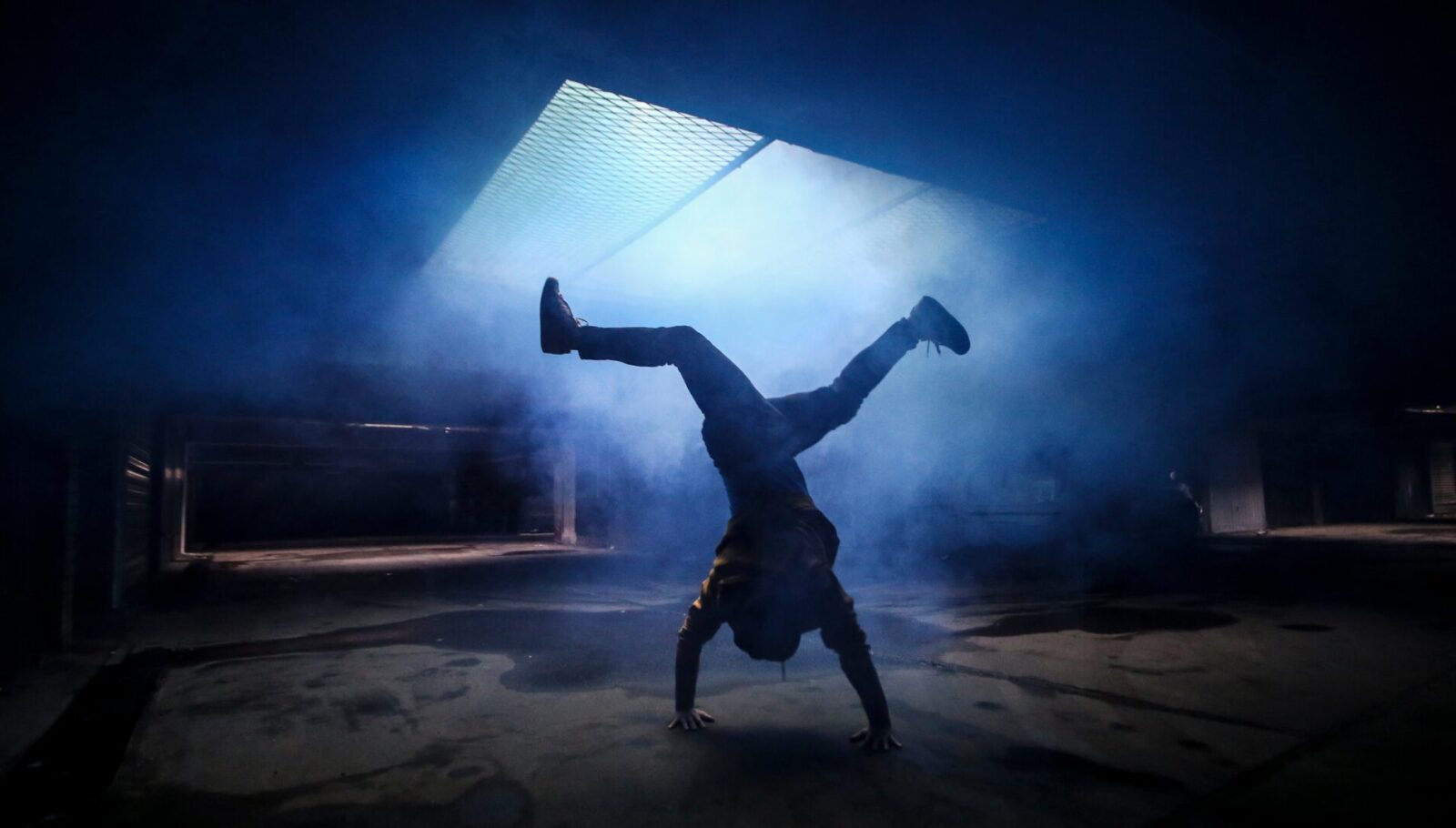
In this episode of the StageLync Podcast, I had the absolute privilege of sitting down with Abramz Tekya. To the world, he’s a veteran hip-hop artist and b-boy, but to his community in Uganda, he is a lifeline. Abramz’s story is one of the most powerful I’ve heard—from losing both parents to HIV/AIDS at a young age to building a global movement through breakdancing. We talked about how the “lack” of things—lack of money, lack of access, lack of a TV—actually became the very thing that forced him to become an original artist. It’s a masterclass in how we can use our toughest experiences to empower not just ourselves, but everyone around us.
How did your environment as a child in Kampala shape your entry into hip-hop?
Abramz’s introduction to the culture was born out of scarcity and necessity. After losing both parents to HIV/AIDS at age seven, he faced immense stigma and isolation. Without a TV or radio at home, he would risk a beating from his grandmother to walk 15 minutes to a neighbor’s house just to catch glimpses of music videos on imported VHS tapes. He didn’t know the terms “rap” or “breakdancing” yet; he just knew the energy of people “talking fast over instruments” was worth the risk. This lack of constant access made every second of footage precious, forcing him to memorize and internalize every move he saw.
You mentioned a specific moment that almost ended your dance journey before it began. What happened?
During a childhood Christmas party, Abramz gained the courage to enter a dance competition after watching Michael Jackson videos. However, a relative loudly mocked him, asking, “Whose kid is that? He’s dancing like a 60-year-old!” The humiliation was so profound that Abramz stopped dancing for years. It wasn’t until his cousin, Daniel, noticed his interest and patiently taught him the “Running Man”—affirming that he was a fast learner—that his self-belief was restored. This taught Abramz that the words of an adult can “make or break” a child’s creative spirit.
How did limited access to formal “steps” lead to your originality as an artist?
Because Abramz couldn’t replay videos or attend formal classes, he often only caught parts of a move. If a move had five steps and he could only see two, he would invent the remaining three. He realized later that this “resource gap” was actually a creative engine. By filling in the blanks with his own imagination, he developed a style that was entirely original. When he eventually performed for others, they were stunned by his unique variations, which gave him the confidence to transition from a mere performer to a true creator.
What is the philosophy behind Breakdance Project Uganda (BPU) regarding “rich and poor” students?
Abramz intentionally designed BPU to be free for everyone, regardless of social class. He rejected the traditional NGO model where programs are “only for the poor,” arguing that this keeps people segregated and prevents true horizon-stretching. In BPU, the rich and the poor learn side-by-side. The “fee” isn’t money; it’s the commitment to teach what you’ve learned to someone else. This creates a “mutually beneficial relationship” where no one is just a “beneficiary” and everyone is a contributor, breaking the cycle of the “poor as receivers.”
How do you view the relationship between formal and non-formal education?
Despite being a “school fees defaulter” who had to drop out due to poverty, Abramz eventually found himself lecturing at universities. He views his life as a testament to the power of non-formal education. He advocates for both, noting that while formal school provides certificates, non-formal spaces like hip-hop teach “the formula of creativity” and self-empowerment. He often tells his students that “experience is not what a person has been through, but what they do with what they have been through.”
Why You Can’t Miss This Episode
Abramz Tekya’s story is a powerful reminder that the most refined art often comes from the rawest experiences. Whether you are an educator, an artist, or someone looking for a spark of inspiration, his perspective on “beautiful mistakes” and radical inclusion will change how you look at leadership.
Don’t miss the full story! Subscribe and tune in next week for the complete episode where we dive deeper into Abramz’s work with the “PYE” (Partnership for Youth Empowerment) and his unique methods for facilitating social change.

Editor's Note: At StageLync, an international platform for the performing arts, we celebrate the diversity of our writers' backgrounds. We recognize and support their choice to use either American or British English in their articles, respecting their individual preferences and origins. This policy allows us to embrace a wide range of linguistic expressions, enriching our content and reflecting the global nature of our community.
🎧 Join us on the StageLync Podcast for inspiring stories from the world of performing arts! Tune in to hear from the creative minds who bring magic to life, both onstage and behind the scenes. 🎙️ 👉 Listen now!
