Stop Trying to Win Alone: Why Your Solo Success is a Myth
I used to think consistency was something you built alone. Early mornings, late finishes, the quiet discipline of showing up when nobody was watching. It felt like a solo pursuit.
Looking back, I was wrong. Every version of consistency I ever built was shaped by the people around me.
This is the part of the story people don’t talk about enough.
We celebrate individual achievement. The athlete crossing the line. The performer hitting their moment. The coach watching their athlete step onto the biggest stage in the world. But behind every one of those moments is a team—visible or not—that made it possible.
Where It Started
I didn’t choose my first team. None of us do.
My parents were the ones driving me to training before I was old enough to understand what I was building toward. What made them different was the approach they took. There was no pressure. No agenda. Just a genuine focus on enjoyment and a belief that if I loved what I was doing, the rest would follow.
My dad became a training partner. Someone to work with at home, not just watch from the sidelines. My mum had a quieter but equally powerful gift—she always seemed to know what I needed before I did. The right word at the right time. The meal that was ready when I got home. The space to process a difficult session without having to explain it. She read the room consistently, and that matters more than people realise.
Together, they created an environment that was stable, warm, and honest. They didn’t just support my training. They held the whole ecosystem together while I found my way inside it.
What I didn’t fully appreciate at the time was how much I was learning about what a team actually looks like. Not the dramatic version. The ordinary, reliable, day-in-day-out version. The one that shows up without being asked.
When the Team Becomes Everything
When I joined Cirque du Soleil, the idea of team took on a completely different weight.
I remember my first week of training. There were performers I recognised—people I’d competed against, now navigating the same transition I was. But the environment was unlike anything I’d experienced before. The scale of it. The precision required. The sheer number of moving parts that had to come together every single night.
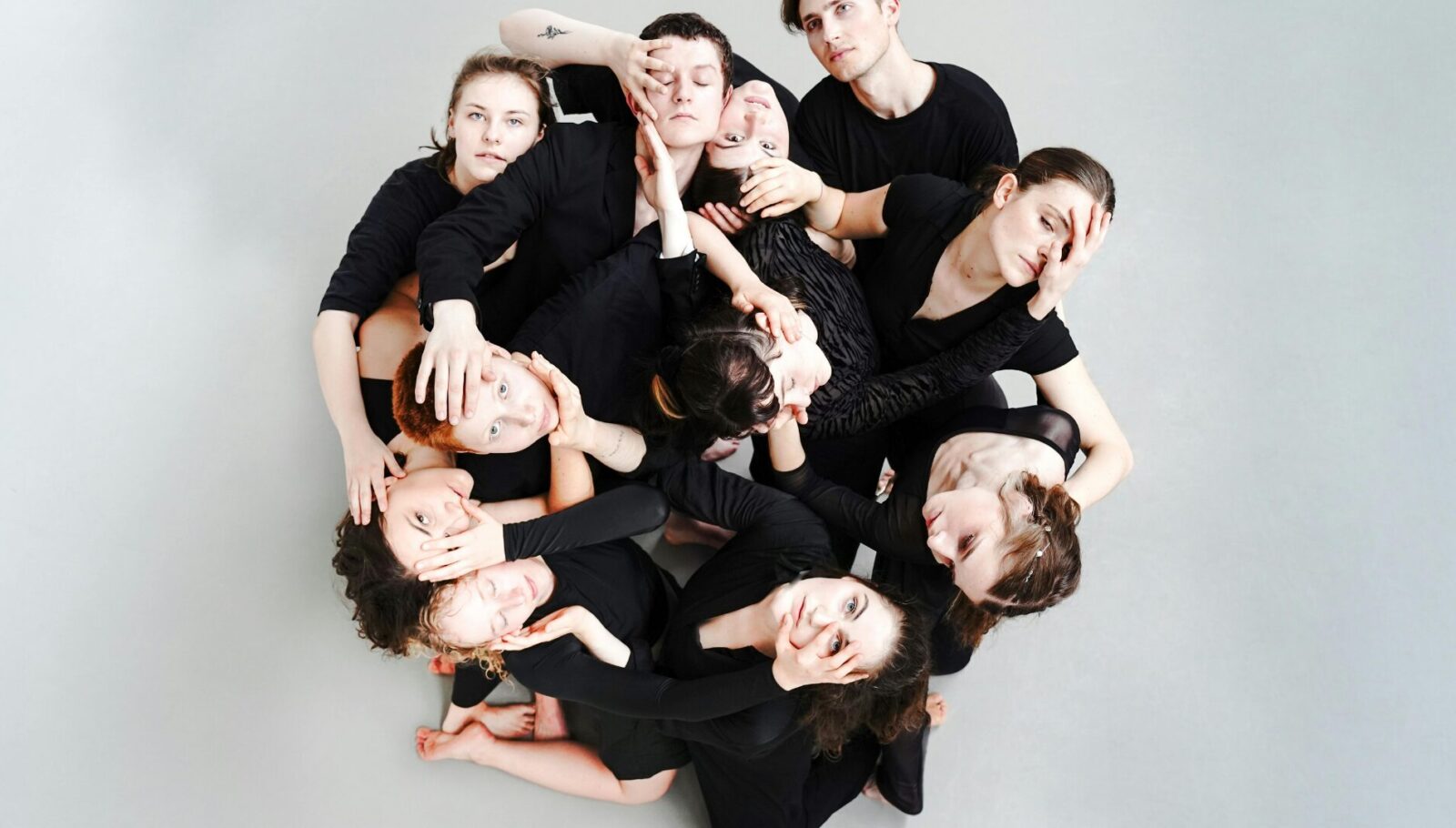
Our act involved multiple artists all operating within the same space. Unlike individual sport, where you compete alongside others, here everything was interconnected. Every position, every timing, every decision in the air had consequences for the people around you.
The act only worked when everyone was exactly where they said they would be, doing exactly what they had trained to do.
There was no margin for individual error without it becoming a collective problem.
Trust wasn’t something you assumed. It was something you built through consistency—by being reliable in training, by holding your standard every single day, by making it easy for the people around you to do their jobs well. Eight shows a week, week after week. That level of sustained performance isn’t possible on individual effort alone. It requires something shared. A collective standard that nobody drops, even on the hard days.
That environment reinforced something I’ve never forgotten: the ceiling of your performance is often set not by your individual ability, but by how well your team functions together.
The Coach Who Changed the Environment
My coach guided me for twenty-five years.
That’s not a number I throw around lightly. Twenty-five years is a relationship. It spans the teenager who was told he wasn’t ready for the senior stage, all the way through to the athlete who made an Olympic final, through the disappointment of missing Beijing, and into the career that followed. He saw all of it.
What set him apart wasn’t just knowledge or experience. It was his creativity. His willingness to explore new methods and push the boundaries of what was possible. He was always searching for better ways to train, better tools to use, better environments to train in.
He was the driving force behind the creation of the first purpose-built trampoline centre in Europe. That’s not a small thing. That’s someone who didn’t just coach within the system. He built a better one.
And that shaped how we worked together. It was never just him telling me what to do. We found the way together. He brought the vision and the innovation. I brought the commitment to execute. The relationship worked because it was genuinely collaborative — built on mutual trust and a shared belief that there was always something more we could unlock.
The best coaches don’t just improve your performance. They improve your environment. And a better environment changes everything around it.
Being the Team for Someone Else
The role shifts at some point. You stop being the one who needs the team around you, and you become part of someone else’s.
At the Tokyo Olympics, I was part of the coaching team supporting two of Britain’s leading athletes in trampoline gymnastics. I’d spent years on the other side of that experience—being the athlete, being carried by others. Now I was on the outside of the performance, watching, trusting, holding the space.
That changes things.
You realise very quickly that being part of someone’s team is a responsibility that goes beyond knowledge. It’s about presence. About being steady when they’re not. About saying the right thing at the right moment and knowing when to say nothing at all. It’s about earning the right to be in someone’s corner.
What This Means Outside of Sport
I’ve been thinking a lot lately about the people going through significant transitions—career changes, identity shifts, the strange feeling of not quite knowing what comes next.
What I notice, almost every time, is that the struggle is rarely about capability. People are capable. What’s often missing is the team.
Not necessarily a formal coaching relationship. Sometimes it’s simpler than that. Someone who tells you the truth. Someone who shares your standards. Someone who notices when you’re slightly off and says so, kindly but clearly. Someone who makes the hard days lighter and reminds you why the work matters on the days you forget.
The question worth sitting with is this: who is in your corner right now, and are they the right people for where you’re trying to go?
Three Things I Know About Team
After a career that took me from a local trampoline club session to an Olympic arena, to the Cirque du Soleil big top and back into the community, here’s what I know for certain:
Standards rise when they’re shared. The people around you set the bar up or down. Choose accordingly.
Trust is built through reliability, not words. Be exactly where you say you’ll be. Do exactly what you say you’ll do. That’s the foundation of every high-performing team I’ve ever been part of.
You need different people for different things. The coach who challenges you isn’t always the person who supports you. The honest voice isn’t always the encouraging one. Build a team that carries all of it.
Clarity gives you direction. Consistency builds the momentum to move in it. The right team holds the environment that makes both possible.
None of these work alone. In my experience, they rarely fail together.
If this resonated with you, I’d love to connect on LinkedIn. I’m always open to a conversation about what it takes to perform at your best and build something that lasts.
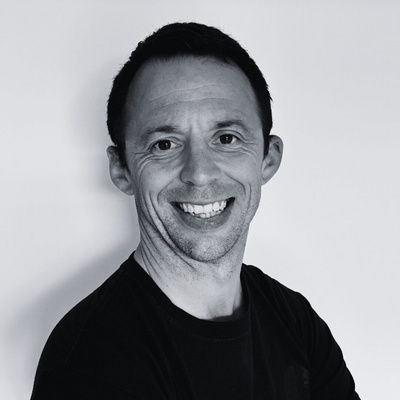
A former Olympic gymnast for Team GB and later an Olympic National Coach, Gary has guided athletes through the intensity, discipline, and joy of elite sport. His career then expanded into the creative world of Cirque du Soleil, where he performed and coached internationally, blending athletic precision with artistry, teamwork, and world-class showmanship.
Today, Gary brings that rare combination of high-performance insight, creative leadership, and community-focused development into his work across sport, education, and local partnerships. As a Sports Development Strategist, he designs inclusive programmes that help young people build confidence, resilience, and a sense of belonging — from large-scale events to grassroots club initiatives.
Whether he’s coaching performers, supporting emerging leaders, or shaping community sport experiences, Gary’s approach is rooted in three principles learned over a lifetime in high-performance environments:
Clarity of Vision - Define your goals with clear precision.
Consistency- Build habits and routines that compound into extraordinary results.
The team around you - Cultivate deep trust and collaboration that amplifies individual and collective performance.
Driven by a passion for helping people grow whether on stage, on the field, or in their community, Gary continues to champion environments where everyone feels supported to step forward, try something new, and discover what they love.
Back to Home
Solo Success is a Myth Solo Success is a Myth Solo Success is a Myth Solo Success is a Myth
Editor's Note: At StageLync, an international platform for the performing arts, we celebrate the diversity of our writers' backgrounds. We recognize and support their choice to use either American or British English in their articles, respecting their individual preferences and origins. This policy allows us to embrace a wide range of linguistic expressions, enriching our content and reflecting the global nature of our community.
🎧 Join us on the StageLync Podcast for inspiring stories from the world of performing arts! Tune in to hear from the creative minds who bring magic to life, both onstage and behind the scenes. 🎙️ 👉 Listen now!
