7 Principles of Safety and Self-Advocacy for Performers
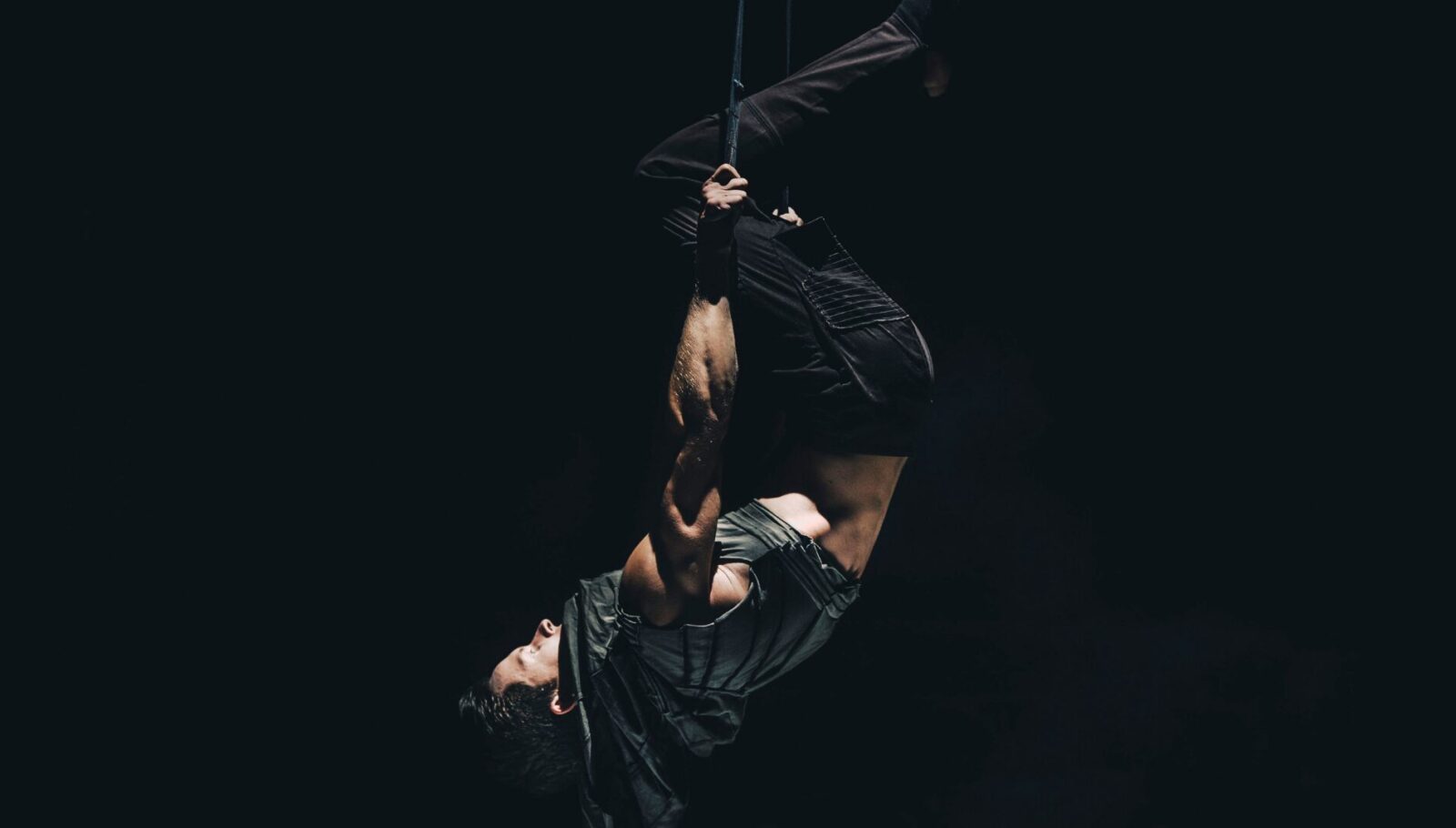
In live entertainment from high-flying circus productions to high-stakes corporate events safety is not a top-down mandate or an afterthought. It is a shared responsibility that demands active participation from everyone involved, including the performers themselves. Drawing from 15 years as a production stage manager in the circus realm, Anna Robb, CEO of StageLync, outlines a practical seven-part framework designed to empower performers to advocate for their well-being on stage.
1. Know Your Technical Needs
Whether you are performing on the ground or high in the air, understanding your technical parameters is essential. Aerialists must know their exact weight-loading requirements, including dynamic load the additional force exerted on structural infrastructure during movement. Performers should collaborate with qualified riggers to establish certified data regarding their gear. Ground-based performers must clearly define their minimum stage footprint. Across all disciplines, artists should maintain rigorous inspection criteria, verify the history and pre-show checks of all equipment, and define the specific qualifications required for support staff.
2. Define Environmental Parameters
Environmental conditions directly impact spatial awareness and physical execution. Performers need to identify lighting setups that could blind or distract them during critical tricks and work with technical crews to test sightlines. Audio levels must allow clear communication with partners or crew members, particularly when executing precise catches or physical cues. Furthermore, special effects like haze, smoke, or fire must be strictly regulated so they do not obscure vital reference points needed during flips or acrobatics.
3. Establish a Structured Integration Plan
Transitioning an act into a show is historically one of the highest-risk phases for a performer. A proper integration plan outlines the progression from initial venue walk-throughs to live performance. This process includes training in the space, rehearsing in costume, testing automated systems, and building up physical stamina. For long-running resident shows, integration might involve gradually scaling performance frequency such as starting with four shows a week before building to six and eventually eight to avoid fatigue and injury. Performers must actively help shape this plan rather than passively accept external timelines.
4. Build Robust Communication Methods
Clear communication protocols are vital before, during, and after an act. Performers must establish clear start signals with the show caller, stage manager, or rigger. Because physical acts are often timed to bodily readiness rather than music, clear queue-by-queue signals are necessary to prompt automation or lighting changes. Crucially, performers must agree on a designated “stop signal” such as crossing arms or abandoning choreography to halt the act immediately if a safety issue arises. Additionally, implementing a “two-person check” rule for equipment, harnesses, and rigging before stepping on stage provides an essential layer of risk mitigation.
5. Verify Emergency Procedures
Before taking the stage, performers should thoroughly understand the venue’s emergency and medical response protocols. Key questions to ask include:
- Who delivers immediate medical aid if an injury occurs?
- Is a dedicated performer wellness team, stage manager, or qualified medic on site?
- For large events, is an ambulance on standby, and what is the transit protocol to the nearest hospital?
Proactively confirming these details ensures rapid care if an incident occurs.
6. Set Non-Negotiable Parameters
While minor compromises to an act are sometimes necessary to fit a venue, performers must establish firm, non-negotiable boundaries to protect their physical safety. These boundaries include minimum height and stage dimensions, mandatory warm-up times, and adequate rest intervals between rehearsals and live shows to prevent physical exhaustion. Setting these limits ensures performers never compromise their structural safety or exceed their physical capabilities.
7. Document Everything on a Specification Sheet
The single most effective tool for self-advocacy is consolidating technical needs, environmental parameters, integration plans, communication protocols, emergency procedures, and non-negotiable boundaries into a written specification sheet. Presenting this document to producers transforms safety concerns from subjective complaints into professional, actionable standards. If a venue or production fails to meet these agreed-upon standards, a specification sheet provides performers with clear rationale and professional backing to walk away from unsafe conditions. Safety is fundamentally about education, collaboration, and proactive risk mitigation. By taking ownership of these seven principles, performers actively contribute to a culture where artistic excellence and physical safety go hand in hand.
Watch Anna’s Instagram Live session on these points here:
Back to Home
Safety and Self-Advocacy for Performers Safety and Self-Advocacy for Performers Safety and Self-Advocacy for Performers Safety and Self-Advocacy for Performers
Editor's Note: At StageLync, an international platform for the performing arts, we celebrate the diversity of our writers' backgrounds. We recognize and support their choice to use either American or British English in their articles, respecting their individual preferences and origins. This policy allows us to embrace a wide range of linguistic expressions, enriching our content and reflecting the global nature of our community.
🎧 Join us on the StageLync Podcast for inspiring stories from the world of performing arts! Tune in to hear from the creative minds who bring magic to life, both onstage and behind the scenes. 🎙️ 👉 Listen now!
