Latin American Circus Manifesto: A Call for Cultural Autonomy
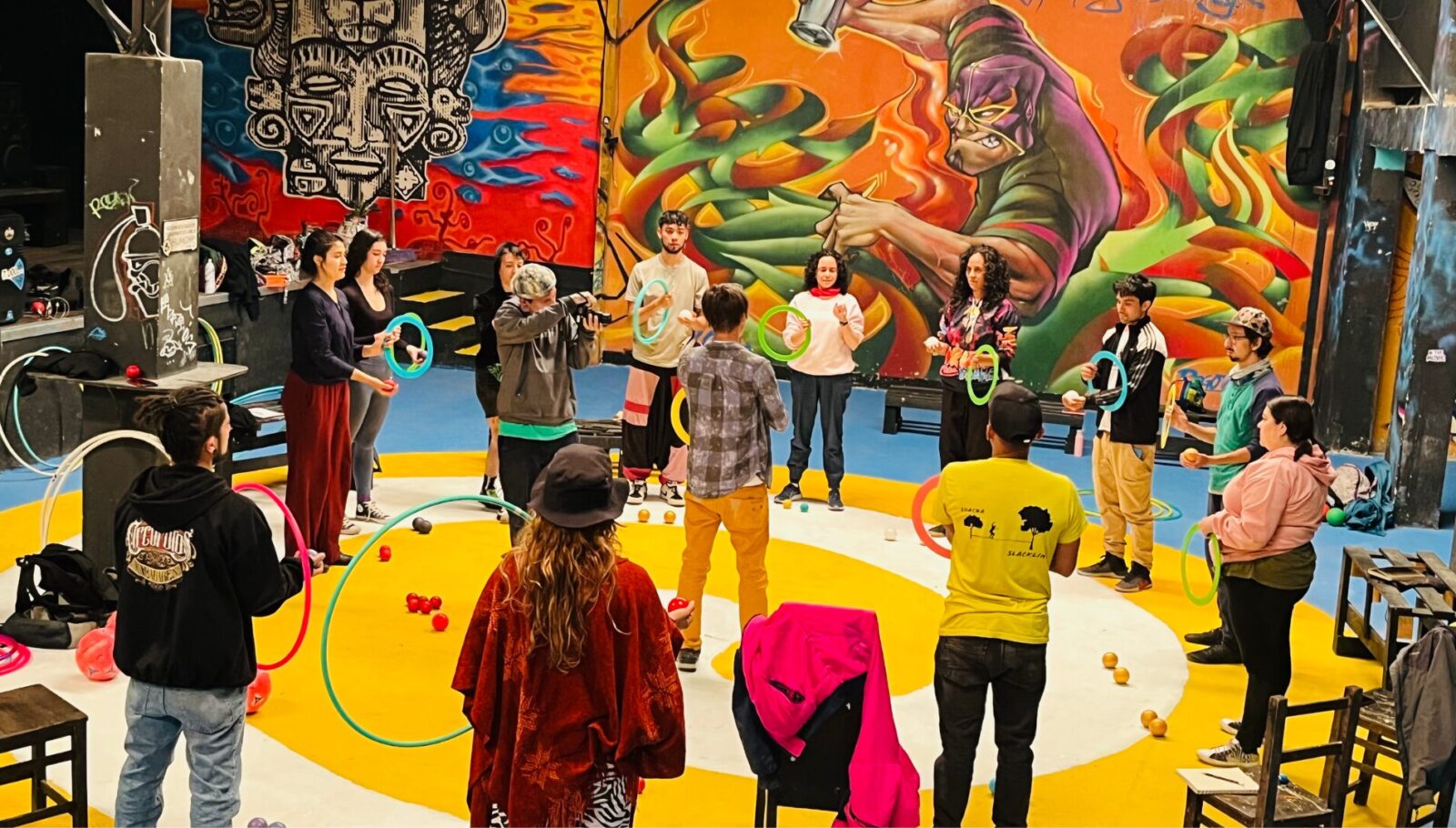
Over the past seven years, circus artist, educator, and social circus advocate Craig Quat has traveled extensively across Latin America, immersing himself in circus communities in nine countries. Working alongside local artists and inclusive circus initiatives, he has experienced firsthand the diversity, resilience, and community-driven spirit that define the region’s circus landscape. In this opinion piece, Craig reflects on those experiences and argues that Latin America represents one of the last places where circus remains deeply rooted in local communities rather than institutional structures. Drawing on years of observation and conversation, he explores questions of cultural autonomy, professionalization, and the influence of European models on the future of circus in the region. The views expressed in this article are the author’s own and are intended to contribute to an ongoing conversation about the evolution of circus worldwide.
Latin American Circus Manifesto
A reflection on cultural autonomy, resistance, and the future of circus in Latin America.
For more than seven years I have walked the lands of Latin America.
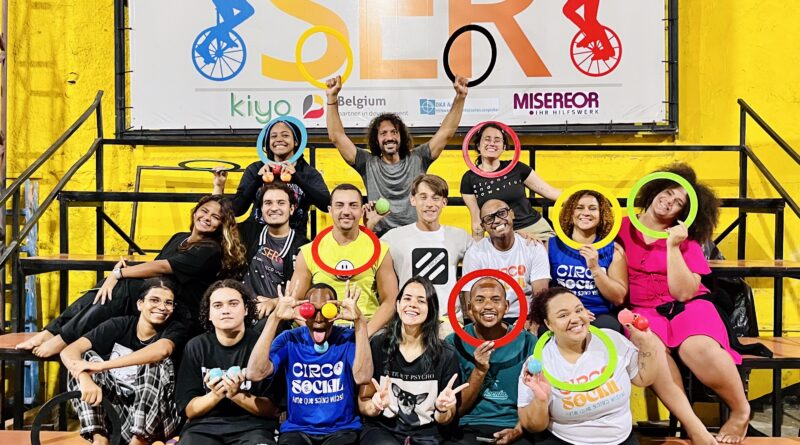
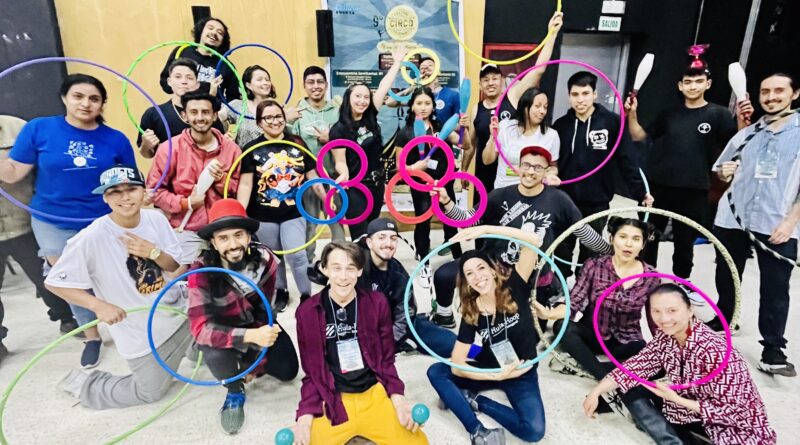
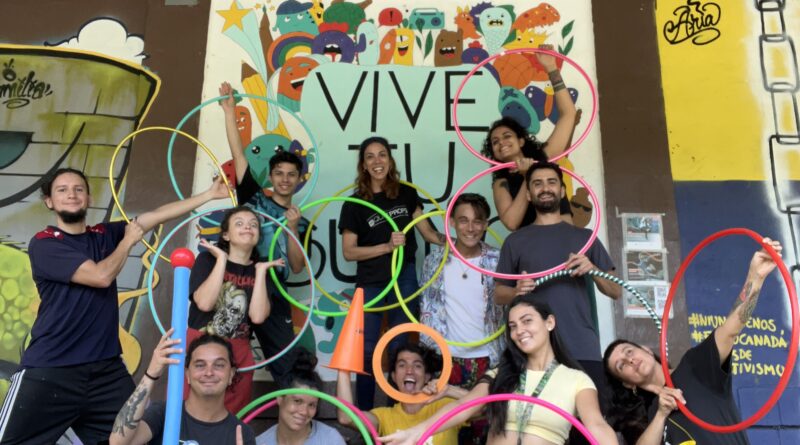
I have crossed nine nations not as a tourist, but as a student of people. I have learned in neighbourhood circus schools, beneath worn circus tents, inside community centres, on forgotten street corners, and in training halls where the walls themselves remember generations of struggle. From the inner-city projects of Circo Pal Barrio in Mexico City, through the street juggling circles of Bogotá, Colombia, to the galpón spaces of Cabeza de Martillo in Santiago, Chile, I encountered something the modern circus world is in danger of forgetting: a culture that still belongs in the hands of those who create it.
These words are not offered as an academic study, nor as the definitive voice of a continent too vast to be spoken for by any one person. They are offered as testimony. They are the reflections of a traveller who has spent years listening before speaking, watching before judging, and learning before teaching.
And from those years, one conviction has taken root within me.
Latin America is the last true bastion of freedom and cultural resistance in circus.
By freedom, I do not mean the absence of struggle. I mean the freedom of a culture to define itself—to evolve according to its own histories, communities, needs, and imagination rather than the expectations of institutions, markets, or foreign models of success.
While much of Europe and North America has transformed circus into a professionalized cultural industry—shaped by institutions, funding structures, markets, and spectacle—Latin American circus continues to emerge from communities where creativity is inseparable from necessity, solidarity, and survival. It is precisely this relationship to struggle that has preserved a spirit of resistance that has largely disappeared elsewhere.
This is why I often say:
In Latin America, all circus is social circus.
Of course, there are projects dedicated specifically to social intervention, but they exist within a broader social reality where circus itself is already inseparable from resistance. The simple act of choosing circus as a profession is an act of defiance. In this context, the distinction between “circus” and “social circus” becomes largely redundant.
What I observed, in contrast, through years spent travelling across Europe is that what once stood as a counterculture to systems of oppression has increasingly become integrated into the very structures it once resisted. Circus has become a professionalized cultural industry, shaped by institutions, funding models, accreditation, competition, and market expectations. While these developments have undoubtedly brought stability and opportunity, they have also created barriers that unintentionally exclude many of the people who historically made up circus communities. Countercultural circus certainly still exist throughout Europe, but it often remains peripheral to the institutional centres that now define the industry.
Throughout my travels, I have listened to countless Latin American artists speak with longing of a European-style circus industry taking root across the continent. I understand this desire, because from a distance, those institutions can appear like monuments to progress: funded, recognized, organized, and secure. It is easy to look upon them and believe that this is what the future should resemble.
I have had hundreds of conversations arguing the opposite. Latin America does not need to become Europe. It already possesses something many parts of the world have gradually lost: a circus culture that still belongs to its communities. It may not always present itself through polished institutions or standardized career pathways, but its spirit is authentic, its creativity is abundant, and its cultural value is immeasurable. The relationship between European and Latin American circus should never be understood as a hierarchy. They are different traditions, shaped by different histories, and difference itself is something worth protecting.
This becomes even more urgent when we examine the long-term consequences of professionalization.
Institutionalization is seductive because it promises funding, legitimacy, and career opportunities. It offers doors where there were once walls. But every door has a gatekeeper, and every system eventually learns to reward those most fluent in its own language.
Latin American circus certainly lacks many forms of professional infrastructure. But what it gains in return is decentralization, accessibility, and extraordinary creative freedom. I have seen some of the worst circus performances of my life in Latin America. I have also seen the most original, courageous, and unforgettable. These truths belong together, because a culture that permits failure also permits invention.
The Latin American circus artist is rarely performing to satisfy an international market. They perform for their neighbourhoods, their communities, and their own cultural realities. They continue to occupy the ancient role of the storyteller, the trickster, and the jester, reminding society that imagination remains essential, even in times of hardship.
This is the freedom I believe Latin American circus still possesses. Freedom to determine what circus ought to become without institutions, markets, or foreign models defining it first.
If Latin American circus is to preserve its freedom, then it must learn to recognize and resist the hidden faces of colonialism, for they never truly disappear—they merely change their masks.
Today, colonialism no longer arrives with armies or governments. It arrives carrying development projects, funding opportunities, institutional partnerships, professional training, and promises of modernization. It speaks in the language of progress, international standards, and industry growth. It rarely pauses to ask whether these models belong to the lands upon which they are planted or what must die before something new can be made to flourish in its place.
Latin American circus does not need to become a reflection of European circus. It does not need to measure its worth against European institutions, funding structures, accreditation, or definitions of professionalism. To do so would be to surrender one of the few thriving circus cultures that still belongs to the communities who actually create it, rather than to the industries that seek to define, organize, and ultimately possess it.
So let this be our declaration.
- Resist the continued colonization of Latin American circus through imported ideas of what it should become.
- Protect what already lives.
- Strengthen what has grown from this continent’s own memory.
- Guard the stories that cannot be translated into funding reports.
- Defend the freedom to create before asking permission.
The future of Latin American circus must be imagined in Latin America, by those who carry its histories in their bodies, its contradictions in their lives, and its dreams in their hearts.
Be cautious of those who arrive carrying maps of a territory they have never truly walked. Be cautious of those who seek to formalize what they have not lived, classify what they have not inherited, or write histories of cultures that do not belong to them. Good intentions have never been enough to prevent colonialism from repeating itself.
I believe the future of the world depends upon what is still being protected here in Latin America: the freedom of communities to define themselves, the autonomy to create without permission, and the cultural imagination that has not yet been fully absorbed into the machinery of global capitalism.
Keep building schools rooted in your own practice. Write your own books. Tell your own stories. Train your own teachers. Translate your own ideas before translating yourselves for others. Let the next generation inherit not only your techniques, but the unshakable conviction that what is born from Latin America is capable of illuminating the world.
For everything this continent has taught me, I am profoundly grateful.
May we continue to learn from one another, protect what is precious, and leave the circus we inherited stronger, freer, and more deeply rooted in its people than we found it.
With gratitude,
Craig Quat

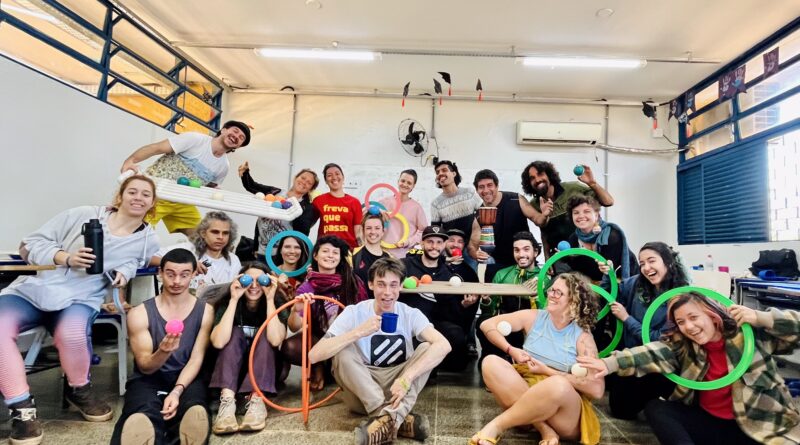
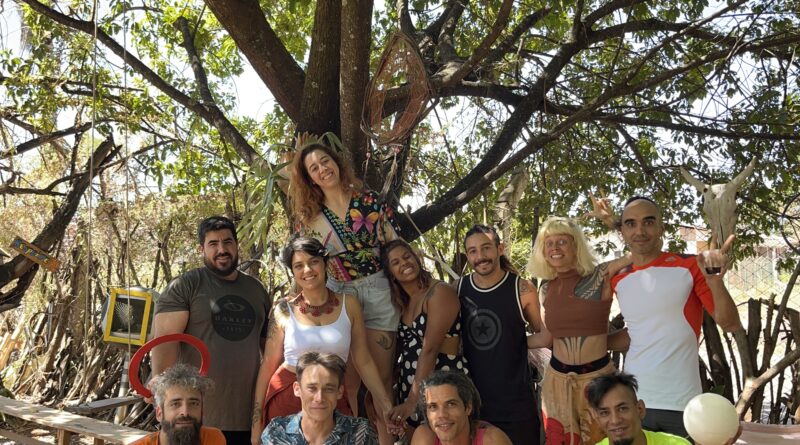
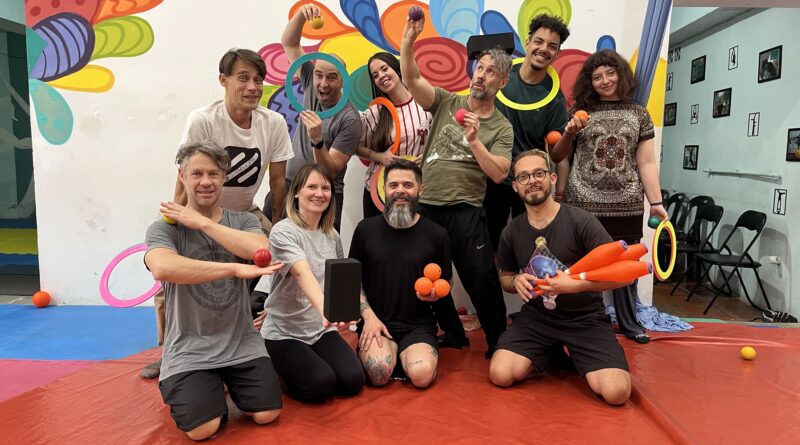
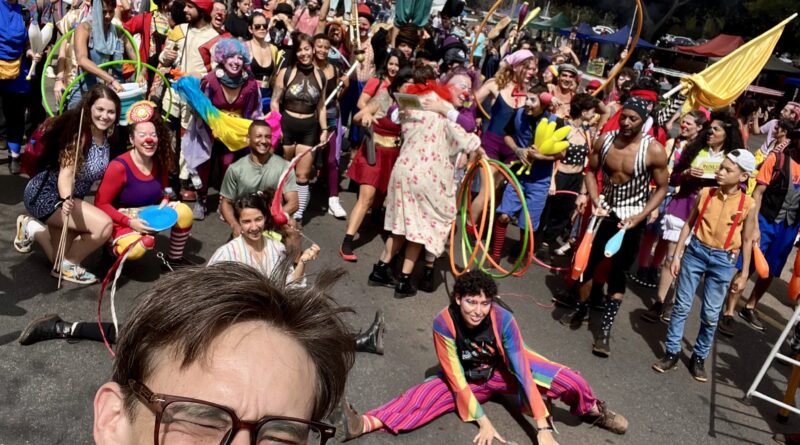
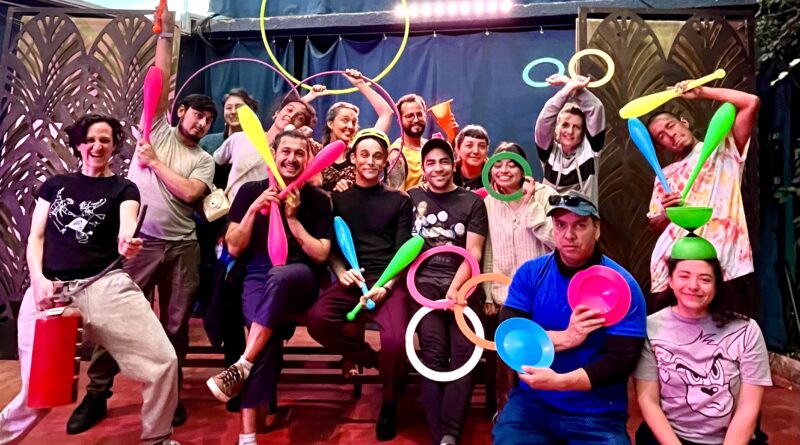
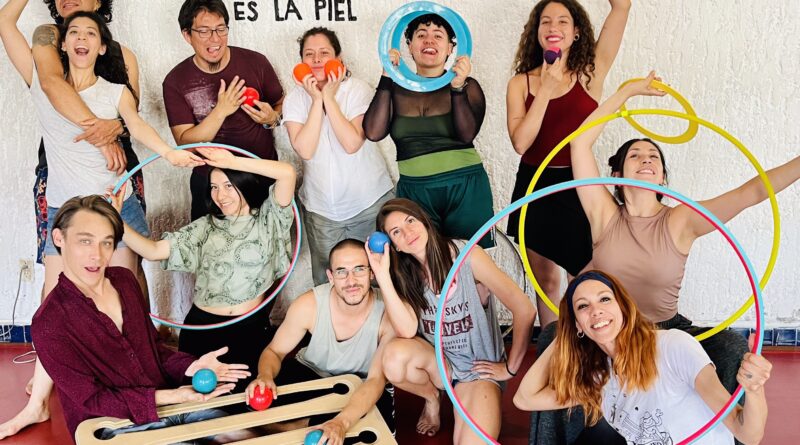
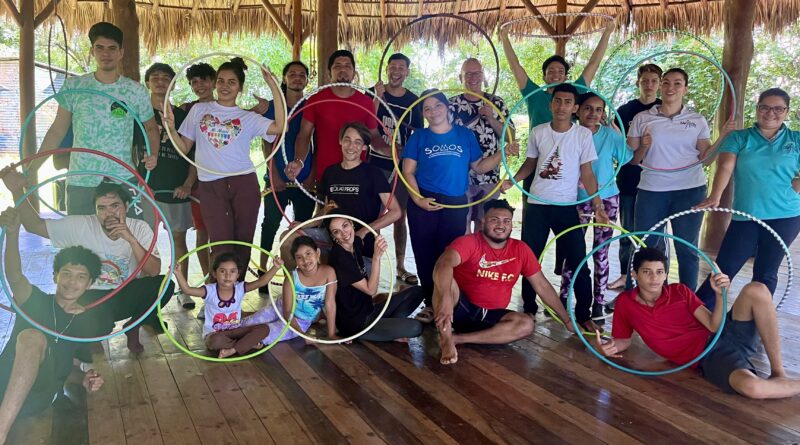
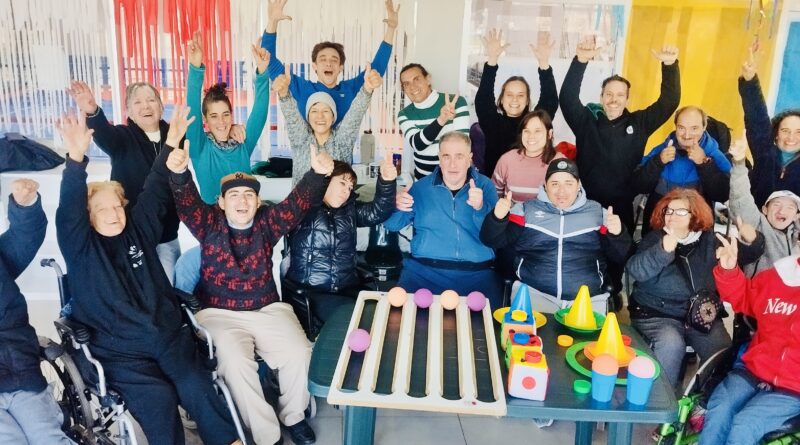
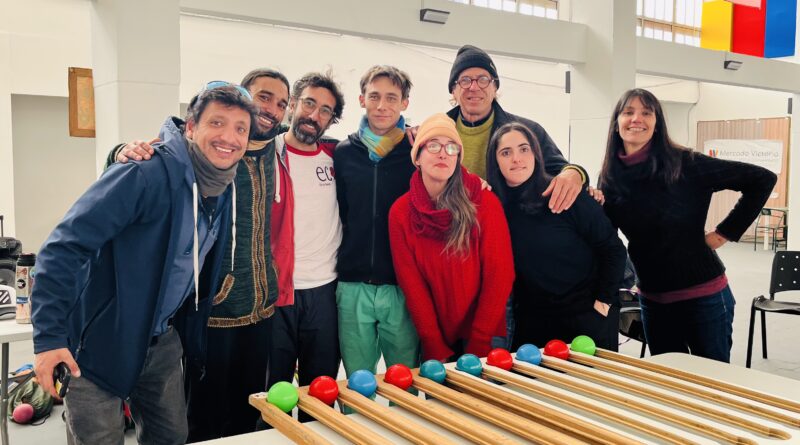

He is well known for creating revolutionary learning tools such as the Juggle Board, which uses a series of lanes to roll balls back-and-forth between partners, as opposed to having to throw and catch them. Additionally, he is also responsible for organizing a global movement of social circus practitioners who are collaboratively dedicated to the goal of enhancing new teaching methods through adaptation and re-imagination. Craig has collaborated extensively and traveled to visit many circus groups and cultures from around Europe and in both of the Americas over the past 12 years of his project development.
In 2014 he was the first recipient of the Award for Innovation by the American Youth Circus Organization, and in 2016 he received the Excellence in Education Award from the International Jugglers Association.
He is currently based in Argentina and preparing to embark on a two-year tour of Latin America and Europe that will include new project elements, such as documentation and distribution of information about all the interesting and diverse circus cultures he continues to visit.
Editor's Note: At StageLync, an international platform for the performing arts, we celebrate the diversity of our writers' backgrounds. We recognize and support their choice to use either American or British English in their articles, respecting their individual preferences and origins. This policy allows us to embrace a wide range of linguistic expressions, enriching our content and reflecting the global nature of our community.
🎧 Join us on the StageLync Podcast for inspiring stories from the world of performing arts! Tune in to hear from the creative minds who bring magic to life, both onstage and behind the scenes. 🎙️ 👉 Listen now!
