International Day of Persons with Disabilities: Interview with Peter Royston
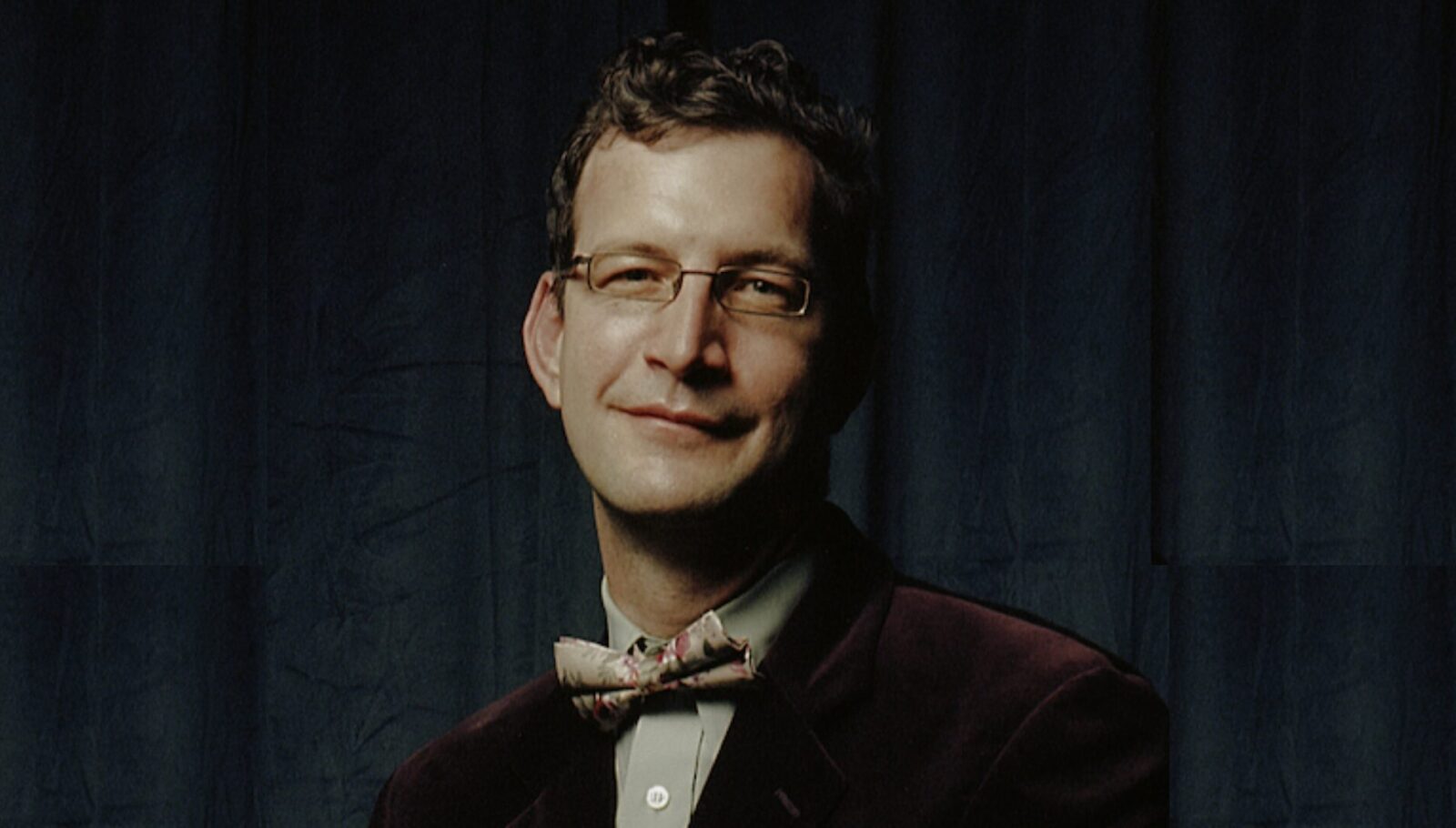
On 3 December, the International Day of Persons with Disabilities invites the world to reflect on how we value, include, and listen to disabled people. For theatre practitioner and production stage manager Peter Royston, that reflection is not abstract—it lives in rehearsal rooms, backstage corridors, and the ways people speak (or don’t speak) about access.
Peter joined StageLync for a conversation about their journey as a disabled arts worker, the realities of accessibility in theatre, and why they believe some of the answers to our biggest cultural problems may lie in disabled voices that haven’t yet been heard.
Finding a Path in Theatre and Then Claiming Disability
Peter began their career training as a performer, but in college they discovered a love for stage management. Fresh out of school they had what they describe as “three years of exceptional experiences,” working under generous stage managers who saw what they could bring to a company and simply let them work. There were no formal access discussions, no accommodations paperwork—just people focusing on their skill.
At that time Peter wasn’t open about their disability. They have cerebral palsy, and, as they put it, could sometimes “pass” as non-disabled. That perceived normality helped them move through the industry, even as they juggled 80-hour weeks between stage management, a job at Peet’s Coffee, and another a job at Banana Republic.
But as they rose into leadership roles, expectations—and the way people spoke to them—changed. The jobs were bigger, the pressure higher, and the unspoken demand that they fit into a narrow, able-bodied mold became harder to silently absorb.
A turning point came in 2017 when Peter saw Cost of Living, a play that features two disabled actors. “It shifted my perspective and awareness,” they recall. “I realized I really need to own my full experience and who I am, not just as a queer person, but also as a disabled person.”
That moment began a new chapter: one where Peter became more public about their disabilities, spoke and wrote about access, and started to imagine themself not just as a stage manager within existing systems, but as a leader who might help change them.
Intersectional Disability: Cerebral Palsy, Autism, and HIV
During the pandemic Peter also explored questions around neurodivergence and was formally diagnosed as autistic in 2022. Alongside cerebral palsy, they live with HIV, which they now firmly place inside their disabled identity.
For years, HIV felt to them like a separate category—an important part of their life but not something they labelled as disability. Learning that HIV is covered under the Americans with Disabilities Act reframed that. “It is part of a disabled identity,” they say, and talking about it openly is part of how they hope to bridge conversations around intersectionality: disability, queerness, chronic illness, and more.
“Everybody Has Access Needs”
If there’s one idea Peter wishes every theatre maker would internalize, it’s this:
Everybody has access needs.
The phrase doesn’t just apply to people who already identify as disabled. Every person, disabled or non-disabled, has physical, emotional, sensory, and cognitive needs that affect how they work and participate. The difference is that disabled people are forced to negotiate those needs in systems that were not designed with them in mind.
A starting point, they suggest, is to ask everyone the same simple question at the beginning of a process: “What are your access needs?”
Treat it as routine, not special. Don’t assume that because you’ve worked with one disabled person with cerebral palsy, you now know what every person with CP will need. Each body and brain is different. Each project is different.
They also urge producers and venues to think about access changes as permanent culture shifts, not one-off upgrades. They’ve seen ramps installed for a specific show and then removed as soon as the production closes. “If you’re going to make a space more accessible, do something that’s lasting,” they say. The money has already been spent; removing access is an active choice.
The US Access Gap: Historic Buildings and Loopholes
Working largely in the United States, Peter is candid about the peculiar dynamics they see there. Historic Broadway houses are often used as a reason access can’t be significantly improved. Off-Broadway venues may be in even worse shape, and there are loopholes in regulations that allow owners to do the bare minimum.
Traveling abroad has sharpened that contrast. Visiting theatres in the UK and Ireland, or even major heritage sites like the Colosseum in Rome, Peter has seen physical accessibility far surpass that of many American venues.
“If the Colosseum can be wheelchair accessible,” they say, “we can maintain the integrity of historic theatres and still make them accessible.”
The issue, in their view, is not just architecture but values. In the US, access is often framed as an optional expense rather than an essential part of making culture. Broadway can sell tickets and fill houses without becoming fully accessible, so there’s little financial pressure to change. That’s where they believe leadership and policy must step in.
When a Space Gets It Right
Amid the frustrations, Peter points to bright spots. Their time with Broadway Advocacy Coalition (BAC) was one of the most empowering experiences of their career. After BAC received a Tony Award in 2021, the organisation led workshops with Broadway and regional shows, facilitating conversations about how different departments work, the language they use, and where inequities live.
In those rooms, Peter felt deeply valued. BAC later brought them in as an access advisor and cultural competency lead, weaving disability into broader conversations about race, justice, and equity. Even when that work became less frequent, returning to BAC’s events reminded them what a truly safe space feels like. “I walked in and felt like I could breathe,” they recall—a sensation strikingly absent in many New York theatre environments.
For Peter, the health of a production is measured just as much backstage as onstage. “If it’s chaotic backstage, if people are discontent and unhappy,” they say, “the show is not successful. I don’t care what it looks like from the audience.”
Invisible Labour and Backstage Representation
One barrier to change, Peter notes, is how little many decision-makers actually understand about backstage work. When they approached major funders, including the National Endowment for the Arts, about creating a pipeline for disabled stage managers and designers, they realised that even there, people didn’t fully grasp what stage managers do or how much prep work is required before rehearsals.
That lack of understanding makes it harder to prioritise accessible pathways into backstage careers, even while organisations proudly champion “diverse casting” or front-of-house access initiatives.
The visibility gap is stark: audiences notice ramps in the lobby and disabled performers on stage, but few think about disabled people calling the cues, running automation, or managing props backstage. Yet for disabled performers, having colleagues behind the scenes who share some of their lived experience can make a huge difference in feeling understood and supported.
Technology, AI, and Everyday Access
Peter sees technology as a powerful, if imperfect, ally. Auto-captions, live captioning, transcripts, and audio description can open up spaces for Deaf, hard-of-hearing, and blind audiences and artists. AI tools can help with first-pass captions or image descriptions, though they’re quick to note that automated systems still make serious errors and should be refined by humans whenever possible.
They’re baffled that so many creators still post videos without captions or images without alt text. These are small, everyday access decisions that anyone can make, often with built-in tools. “If you have an access tool, why don’t you use it?” they ask.
Normalising Sharing Our Access Needs
Beyond infrastructure and technology, Peter wants a cultural shift in how we talk to each other. They imagine a world where meetings begin with people sharing their access needs for the day:
“I’m really tired; I might need an extra beat before I answer.”
“I’m a bit scattered; I may ask you to repeat things.”
“I’m agitated, so I’ll support but not lead this conversation.”
Those statements aren’t weaknesses; they’re information that helps teams work better together. They also move access conversations away from being something “special” only disabled people have to ask for, and toward a shared language of care and honesty.
Why the International Day of Persons with Disabilities Matters
For Peter, the International Day of Persons with Disabilities is more than a date on the calendar. It’s a reminder that disabled people “exist in every space, in every country, in every part of the world.”
It’s also a prompt to consider whose voices are still missing from our rooms and what wisdom they might hold.
“The problems we have in our countries, and in the world, and how we relate to each other,” they say, “might be solved by people whose voices have not been fully heard and seen. When we make spaces fully accessible and hear everybody fully, then we’ll be able to solve those problems. Some of the missing links to the state of the world might be found within a quiet, disabled voice that hasn’t been heard yet.”
Back to Home
Editor's Note: At StageLync, an international platform for the performing arts, we celebrate the diversity of our writers' backgrounds. We recognize and support their choice to use either American or British English in their articles, respecting their individual preferences and origins. This policy allows us to embrace a wide range of linguistic expressions, enriching our content and reflecting the global nature of our community.
🎧 Join us on the StageLync Podcast for inspiring stories from the world of performing arts! Tune in to hear from the creative minds who bring magic to life, both onstage and behind the scenes. 🎙️ 👉 Listen now!
