The Show Must Go On: The Hidden Cost of Emotional Labor in Theatre
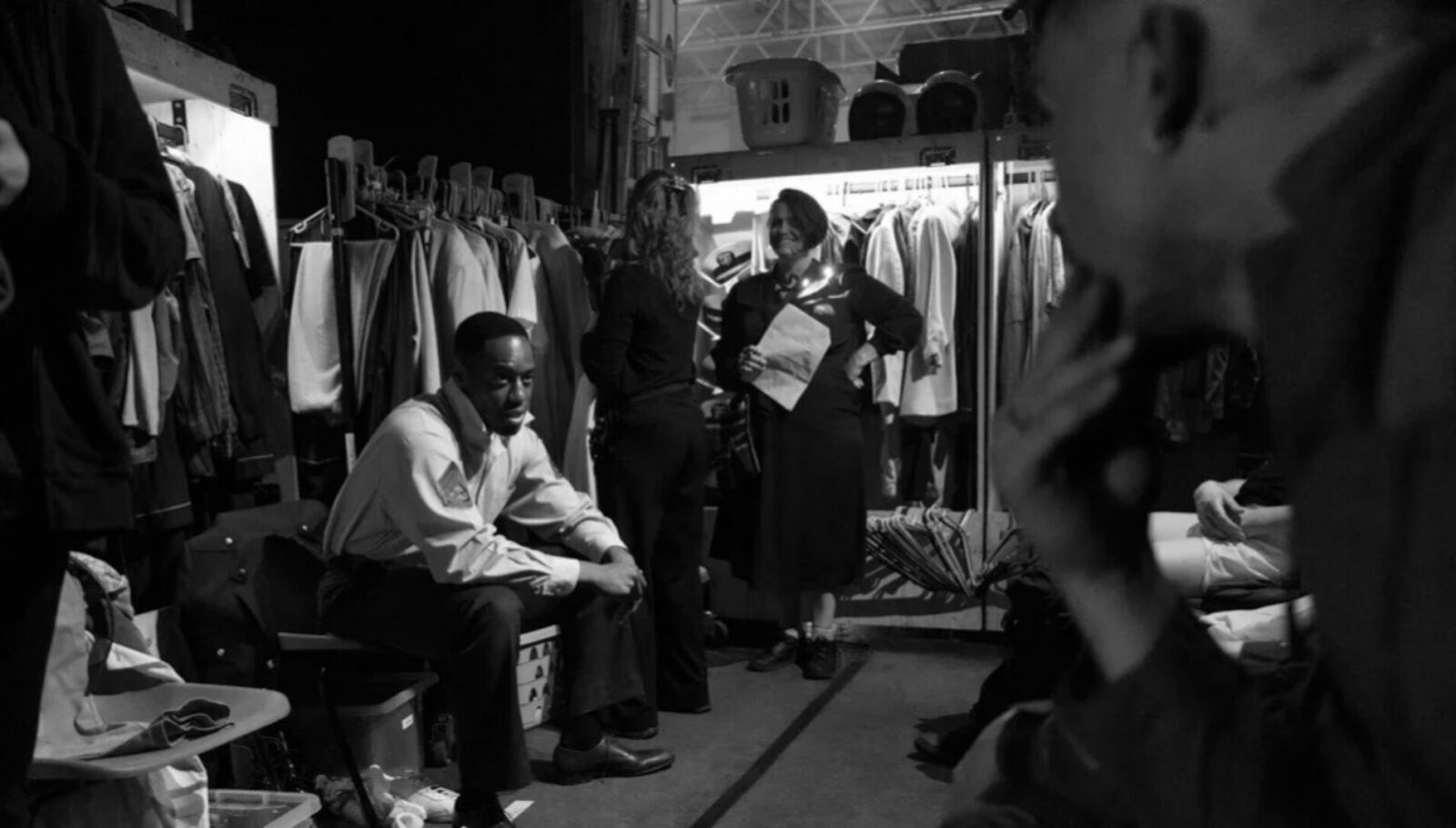
We celebrate the magic of theatre, but what about the very real, often invisible, human burdens that artists carry onto the stage? The ‘show must go on’ is a powerful myth, but it often hides the true cost of creation.
I remember standing in the wings, watching an actor just before her cue. The stage lights were catching the edge of her costume, the audience was a low murmur on the other side of the curtain, and everything looked exactly as it should. But I was watching her hands. She was gripping her phone, reading a text with an intensity that had nothing to do with the world of the play. Her face was a mask of placid readiness, but her thumb was swiping, swiping, swiping. Then, a stagehand whispered her cue, the phone vanished into a pocket, her posture shifted, and she walked into the light, completely transformed.
We talk a lot about the magic of the theatre, the way it transports us. We rarely talk about what the people making that magic are transporting within themselves. The idea of the artist as a vessel for the work, a conduit for some pure creative force, is a beautiful lie. We are not empty vessels; we are human beings, carrying the full, messy, and often heavy weight of our lives with us into every rehearsal, every performance, every creative act.
The phone call from the nursing home, the worry about a child’s fever, the quiet dread of the news cycle, these things don’t pause when the curtain rises. They are folded into the pockets of our costumes, tucked away in the corners of our minds. And the industry, for the most part, has no language for this. It has only the mantra: the show must go on.
The Myth of the Unencumbered Artist
There’s a romantic fiction we’ve inherited about artistic creation. It’s a vision of total immersion, where the artist is blessedly free from the mundane troubles of the world, living only for their craft. But the truth is, art is made by people who have to pay rent, care for aging parents, and navigate personal crises. The expectation to show up as if none of that exists is a form of invisible labor all its own.
- Professionalism has become a performance of being fine. In collaborative, high-stakes environments, there’s immense pressure to be “on,” present, and emotionally available for the work. Admitting you’re struggling feels like a risk…a fear that you might be seen as unreliable, a liability, or simply not tough enough. So we learn to build an armor of capability around our private anxieties, which only isolates us further.
- The emotional cost is a tax on creativity. Pushing down real-world fear or grief doesn’t make it disappear; it just channels your energy into suppression. You end up working two jobs at once: the character you’re playing on stage, and the character of “The Person Who Has It All Together” in the rehearsal room. This quiet, draining effort siphons away the very vulnerability and presence that great work requires.
- We can’t demand that pain becomes productive. There’s a dangerous tendency to mythologize artists who channel their suffering into their art, as if personal tragedy is simply raw material for a greater creative output. While lived experience absolutely deepens our work, this narrative creates an expectation that all pain should be useful. Sometimes, pain is just pain. It’s debilitating, not inspiring, and pretending otherwise is both unkind and untrue.
When ‘The Show Must Go On’ Becomes a Burden
This tension between life and art becomes most acute in the structure of the work itself. The relentless forward momentum of a production schedule doesn’t pause for a personal emergency. A deadline for a design doesn’t care that you were up all night with a sick toddler. This isn’t a flaw in the people; it’s a flaw in a system that presumes the artist’s life exists in service of the art, and not the other way around.
- Our structures select for a certain kind of life. The grueling, 12-hour days of tech week, the unpredictable schedules, the low pay, these are not neutral conditions. They actively favor those without significant caregiving responsibilities or those who have a financial buffer. It begs the question: who can afford to sustain a career in the arts, and whose stories are we losing because they can’t?
- The pace leaves no room for human conversation. In the rush to opening night, a colleague’s distraction is more likely to be interpreted as a lack of focus or commitment than as a symptom of a heavy personal burden. Without intentional space to check in, we are left to make assumptions. A director sees an actor struggling with their lines; what they don’t see is the person torn between the script and an urgent text chain about a family member in the hospital.
- An unseen weight affects the entire ensemble. When one person is carrying a heavy load in secret, the impact ripples outward. It can manifest as strange tensions, a lack of connection, or a creative block that nobody can quite name. The collaborative energy of a room is a delicate ecosystem, and unspoken anxieties can poison the soil, with everyone feeling the effects but no one understanding the cause.
Finding a Kinder Way Forward
Acknowledging this doesn’t mean lowering our standards or compromising the work. It means building more resilient, humane processes that recognize the whole person, not just the artist. It’s about making the conditions of creation sustainable, so that the magic we create on stage isn’t born from the quiet suffering of those behind the curtain.
- Build rituals of care into the process. Start rehearsals not just with a physical and vocal warm-up, but with a human one. Creating a structured, non-judgmental space for people to briefly share what they’re carrying can demystify the mood of a room and foster a deeper sense of trust and support.
- Question the tyranny of “how it’s always been done.” Are ten-out-of-twelve-hour tech days truly the only way to make a show? Or are they a habit we’ve inherited from a less compassionate era? Re-examining entrenched practices is a radical act of care that can make the work more accessible to more people.
- Redefine professionalism to include our humanity. True professionalism isn’t about pretending you’re a machine that feels nothing. It’s about having the capacity to communicate your needs clearly and trusting your collaborators to receive that information with respect and find a path forward together.
- Acknowledge that life and art are intertwined. The most profound art comes from our complex, messy, beautiful lives. Creating a supportive environment isn’t an act of charity; it’s an investment in the depth and truthfulness of the work itself. We need to create containers strong enough to hold both the demands of the art and the reality of the lives making it.
Photo courtesy of the author
Editor's Note: At StageLync, an international platform for the performing arts, we celebrate the diversity of our writers' backgrounds. We recognize and support their choice to use either American or British English in their articles, respecting their individual preferences and origins. This policy allows us to embrace a wide range of linguistic expressions, enriching our content and reflecting the global nature of our community.
🎧 Join us on the StageLync Podcast for inspiring stories from the world of performing arts! Tune in to hear from the creative minds who bring magic to life, both onstage and behind the scenes. 🎙️ 👉 Listen now!
