Dr. Dorita Hannah: Designing Events That Gather, Move, and Transforms
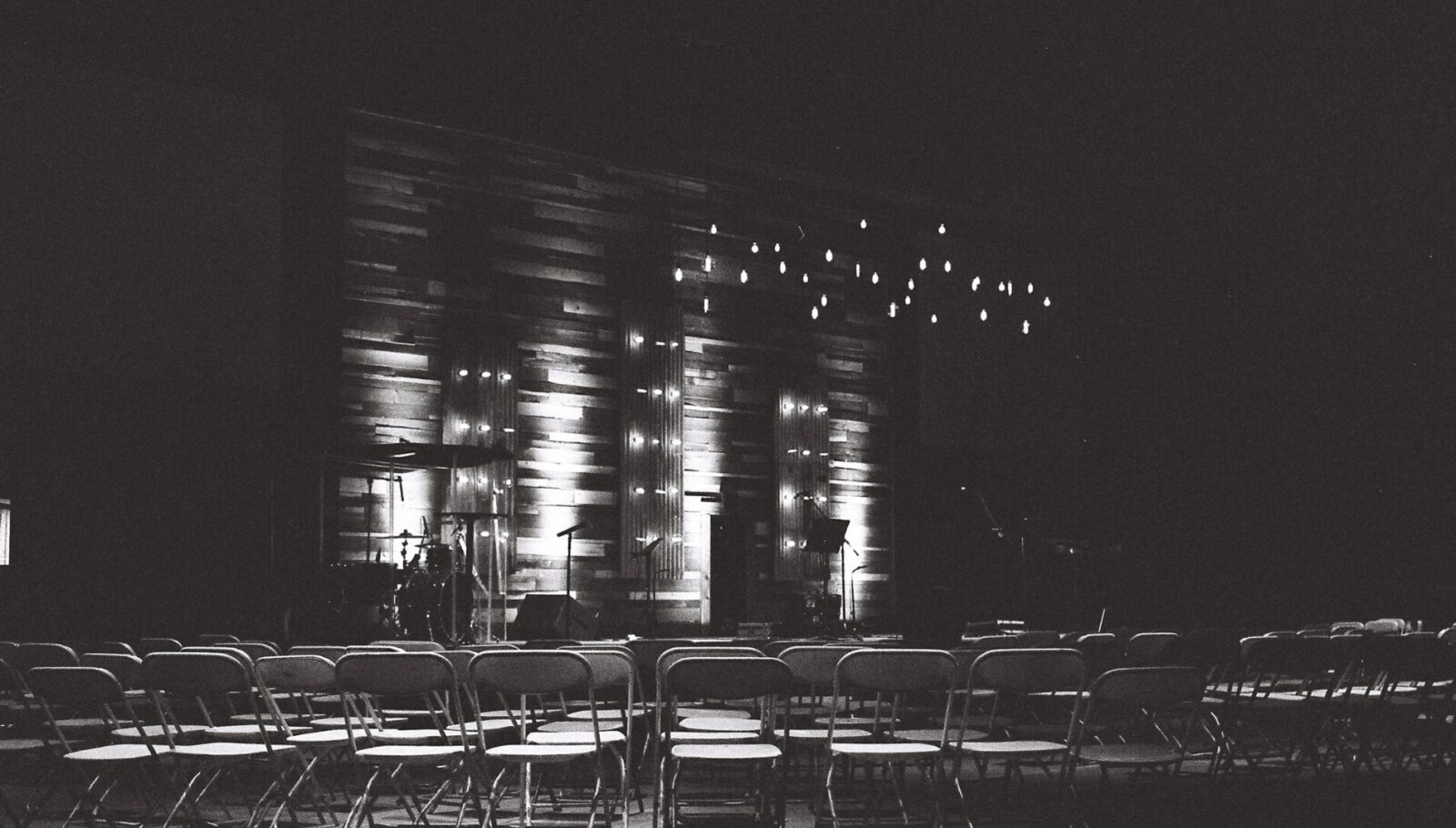
In this preview of next week’s StageLync Podcast, Anna Robb sits down with Dr. Dorita Hannah—design scholar, practitioner, and consultant working at the intersection of architecture, performance, and space. Their conversation moves from a simple but powerful starting point (“What is the space?”) into a bigger question: how do we design experiences where environments, audiences, weather, culture, and technology all perform together?
Dorita shares why leaving the “dead air” of traditional theatre can create unpredictability and magic, how mythologies of place can resist a homogenised world, and why the future of live performance may depend on more porous, community-driven spaces that invite participation.
This is only a taste. Listen to the full episode next week for the deeper stories, the practical provocations, and Dorita’s most exciting future-facing ideas about gathering, culture, and the kinds of spaces that can make us feel more human.
How do you describe your work and your approach to space and design?
Dorita’s lens starts in architecture and expands into performance. Trained as an architect, she studied theatre architecture academically, while simultaneously designing productions and developing a scenographic practice. Over time, her focus became less about treating architecture and theatre as separate disciplines and more about exploring their overlap: space as something relational, active, and constantly shifting. She describes space as a kind of atmosphere or container where bodies, objects, light, weather, and movement interact—almost like an ecosystem. The goal isn’t to “place” a performance into a neutral container, but to notice what the space is already doing—and then draw on that to create the best possible experience of an event.
How should artists think about space when creating outside traditional theatre models?
Dorita argues that space shouldn’t be a backdrop—it should be treated as a co-player. In her view, performance involves multiple performers: not just the cast and audience, but also light, objects, architecture, and the environment itself. When you approach everything as having “equal value,” the space can do real dramaturgical work rather than being something you fight against or “black out.” She’s also candid about being wary of formats like the proscenium arch and even the black box “void,” because they can encourage a mindset where we pretend environment disappears once lights go down. For Dorita, that’s a misconception. When you leave conventional theatre buildings, the environment becomes more unpredictable—and that unpredictability can be exactly where the magic lives, if the team is prepared to work with it.
Can you share a site-specific project that shows space shaping the performance?
Dorita highlights her collaborations with choreographer Carol Brown on dance-architecture events staged across cities. These works move through urban spaces and respond to a place’s histories, mythologies, and realities. One striking device: headphone-based performances where some audience members hear a score, while passersby experience the event without audio—watching dancers move through the street in a way that becomes “equally interesting,” just different. The dancers themselves often don’t hear the music either; one dancer cues the group. Dorita describes how these projects made performance feel embedded in daily life—more accessible, more porous, and more connected to the city’s living rhythms. She also notes how context matters: for example, the presence of women dancing in public space can be unusually “loaded,” changing the meaning of the event and the way people respond.
In public performance, what happens when audience behaviour is unpredictable or threatening—and how do you plan for that?
Dorita describes public space as inherently variable: crowds shift, weather changes, light changes, and social dynamics evolve minute to minute. In her projects, one practical strategy is the collective intelligence of the ensemble. If one dancer feels vulnerable, the group can close ranks—literally gathering as a protective unit. That’s not just “blocking,” it’s spatial awareness in action. She also introduces a concept that runs through her thinking: the designer is often choreographing the audience, while the choreographer choreographs the dancers. Audiences watch up close, from far away, from across a river, or while moving as a “caravan” through the city—and each viewpoint changes what the performance is. Dorita calls this “spacing”: how both dancers and audiences position themselves in relation to each other and the environment. The performance isn’t one single frame—it’s a moving set of relationships.
How do you keep spaces culturally specific (not homogenised) while still embracing technology—and what does Dorita want to change about the industry?
Dorita pushes hard against the “same city everywhere” feeling—what she describes as a neo-colonising, neoliberal sameness. Her answer is to lean into the mythologies of place (not only “objective” history), and to recognise that myth travels across cultures in surprising resonances. She ties this to a broader aim: decolonising cities and minds, so that performance can help make visible the people and cultures that are treated as “other,” and create richer ways of gathering in multicultural societies—especially amid rising xenophobia.
On technology, she sees it as a tool: it can be lo-fi or high-tech, from sun and weather to screens and drones. But the real test is not spectacle—it’s transformation. Did it move you? Shift your consciousness? Leave you with a memory that goes beyond “wow”? She shares a pivotal phrase she heard in Nigeria: the need to “indigenise the technology.” In other words: don’t import tech as a generic status symbol—make it culturally and contextually meaningful.
If she could change something about the industry, Dorita would expand the commitment to diversity, equity, and inclusion into the built environment and performance ecosystems before it’s dismissed or dismantled. She’d also redirect investment away from only blockbuster imports and toward grassroots development, growing local artists and audiences. Finally, she advocates for more sustainable, less wasteful scenography—finding ways to create powerful events without leaving a damaging trace.

Editor's Note: At StageLync, an international platform for the performing arts, we celebrate the diversity of our writers' backgrounds. We recognize and support their choice to use either American or British English in their articles, respecting their individual preferences and origins. This policy allows us to embrace a wide range of linguistic expressions, enriching our content and reflecting the global nature of our community.
🎧 Join us on the StageLync Podcast for inspiring stories from the world of performing arts! Tune in to hear from the creative minds who bring magic to life, both onstage and behind the scenes. 🎙️ 👉 Listen now!
