Erica McCalman: The Future of the Arts Systems, Sustainability & Cultural Belonging
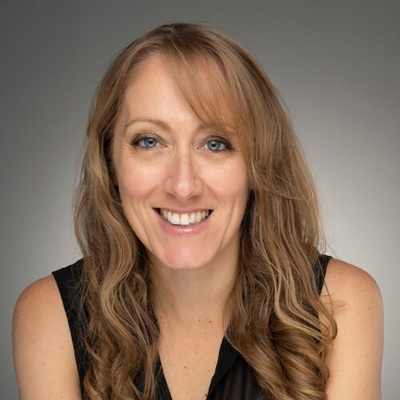
In this upcoming episode of the StageLync podcast, I speak with Melbourne-based creative director, strategist, and facilitator Erica McCalman about the evolving reality of Australia’s performing arts sector. Our conversation moves far beyond production roles and festivals, diving into how artists are navigating unstable careers, shifting cultural identities, and the deeper question of what it means to belong in a rapidly changing society.

Erica reflects on decades of experience across leading arts organisations, her time in the Northern Territory, and her systems-based thinking around culture, equity, and sustainability. From “hunter-gatherer” careers in the arts to rethinking audience engagement as community building, this episode offers a layered, honest look at the challenges and possibilities shaping the industry today.

This is just a preview of a much deeper conversation about the future of arts, culture, and belonging in Australia. Tune in next week to hear the full episode and explore Erica McCalman’s insights on how we can rethink the systems shaping creative work today.
Anna Robb: How would you describe the Australian performing arts industry to someone outside of it?

Erica McCalman: I would describe the Australian performing arts industry as a close-knit yet highly adaptive “cottage industry” that operates like a giant extended family. Even though the population is relatively small, the sector consistently produces work that punches above its weight because of its cultural diversity, strong regional differences, and deeply interconnected networks of artists and organisations. It isn’t a single unified system but rather a collection of many lineages of practice and ancestry, which makes it both rich and complex. Compared to larger markets where productions can run for years, Australia moves at a much faster pace, so artists are constantly shifting between roles and projects. That creates a dynamic and exciting ecosystem, but it also means versatility is essential to survive in it.

AR: What has your career path looked like across different roles and organisations?

EM: I started out in production and stage management, and over time my practice evolved into project management and producing. From there, I moved quite fluidly between roles such as creative producer, dramaturgical advisor, and festival collaborator. I’ve worked with organisations like Theatre Network Australia, La Mama, and Performing Lines, and what has really shaped my career is curiosity and adaptability rather than sticking to one fixed identity or job title. I tend to look more at people’s character and intent than at rigid definitions of roles, and that has allowed me to work across disciplines and art forms. It’s also meant I’ve been able to move between technical production work and high-level creative strategy, often within experimental and festival environments.

AR: What is the key to sustaining a long-term career in such a volatile industry?

EM: For me, sustainability in the arts comes from operating more like a “hunter-gatherer” than a farmer. It’s about constantly reading the environment, maintaining relationships, and staying alert to where opportunities might emerge. I think it’s important to pay attention to who is moving between organisations, to understand the rhythms of the industry, and to stay connected to a broad network of collaborators. Because the sector is so fluid, people often hold multiple roles at once, so adaptability becomes essential. I don’t really see success as a straight line of progression, but rather as responsiveness to change. Careers here are cyclical and unpredictable, and you need emotional flexibility and a willingness to move between projects, disciplines, and sometimes even identities.

AR: How did your time in Darwin change your perspective on land, work, and creativity?

EM: My time living in Darwin during the pandemic really shifted my perspective. Being in a place where nature is so immediate and unavoidable made me feel a much deeper connection to land, climate, and survival. Compared to urban environments, Darwin’s intensity and isolation forced me to slow down and re-evaluate my assumptions about control, productivity, and how work fits into life. I often describe it as a “country reset,” because it made me realise how disconnected urban artistic practice can be from natural systems. It reinforced for me that the arts are deeply intertwined with land and environment, and that creative practice shouldn’t sit apart from ecological realities or try to escape them.

AR: What needs to change in the arts around diversity, multiculturalism, and sustainability?

EM: I think that while the arts sector has made progress around diversity, equity, and inclusion, there are still deeper structural issues that need to be addressed. It isn’t enough to simply “open doors” if the underlying systems don’t actually change. Australia has a very complex cultural history, including colonial trauma, migration, and Indigenous knowledge systems, and all of that sits within the arts whether it’s acknowledged or not. I also think the shift in language from “multiculturalism” to “tolerance” has been limiting, because it reduces what should be a much deeper engagement with difference. For me, the future of the arts lies in moving beyond transactional ideas of audiences and participation, and toward genuine community-building spaces rooted in belonging, empathy, and shared responsibility across generations.

Anna Robb
Producer, Founder and CEO of StageLync -HONG KONG
Anna is the Executive Producer for Our Legacy Creations, a Global Live Entertainment Company and the CEO of StageLync.com. Originally from Australia, Anna's 23 year career in live entertainment has taken her around the world. Anna has created shows in the Americas, Africa, the Middle East, Europe and in many countries across Asia. Always behind the scenes, Anna has been involved in the execution of some of the largest show creations in the world, including “The Beatles: LOVE” by Cirque du Soleil, and “The House of Dancing Water” in Macau. Anna holds a (BA) Honours degree in Design for Theatre and Television.

Editor's Note: At StageLync, an international platform for the performing arts, we celebrate the diversity of our writers' backgrounds. We recognize and support their choice to use either American or British English in their articles, respecting their individual preferences and origins. This policy allows us to embrace a wide range of linguistic expressions, enriching our content and reflecting the global nature of our community.

🎧 Join us on the StageLync Podcast for inspiring stories from the world of performing arts! Tune in to hear from the creative minds who bring magic to life, both onstage and behind the scenes. 🎙️ 👉 Listen now!

Anna Robb

Anna is the Executive Producer for Our Legacy Creations, a Global Live Entertainment Company and the CEO of StageLync.com. Originally from Australia, Anna's 23 year career in live entertainment has taken her around the world. Anna has created shows in the Americas, Africa, the Middle East, Europe and in many countries across Asia. Always behind the scenes, Anna has been involved in the execution of some of the largest show creations in the world, including “The Beatles: LOVE” by Cirque du Soleil, and “The House of Dancing Water” in Macau. Anna holds a (BA) Honours degree in Design for Theatre and Television.